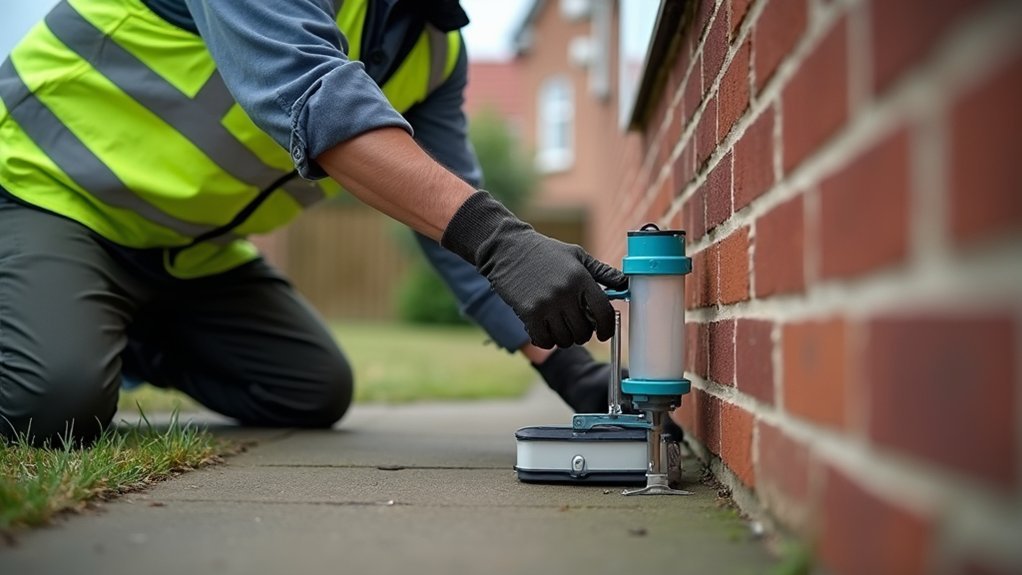
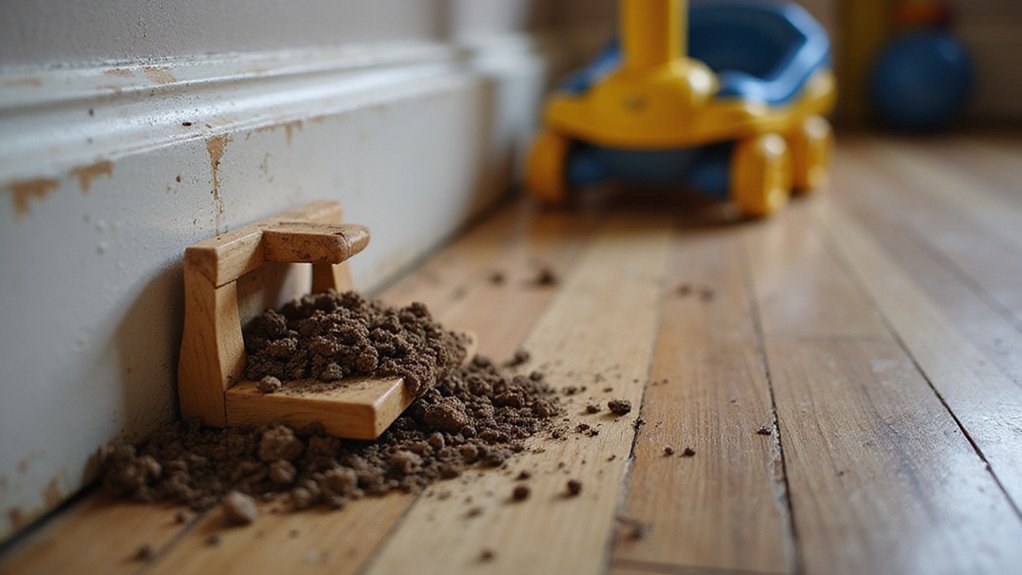
When you’re facing a pest problem, you’ve got choices—and some are far safer than others. You might think chemical pesticides are your only option, but they’re introducing toxins into your home and yard that you’ll regret later. Physical pest control methods eliminate that risk entirely, protecting your family and pets while actually solving your problem. But here’s what you really need to know about why this approach wins every time.
Understanding Chemical Pesticides and Their Risks
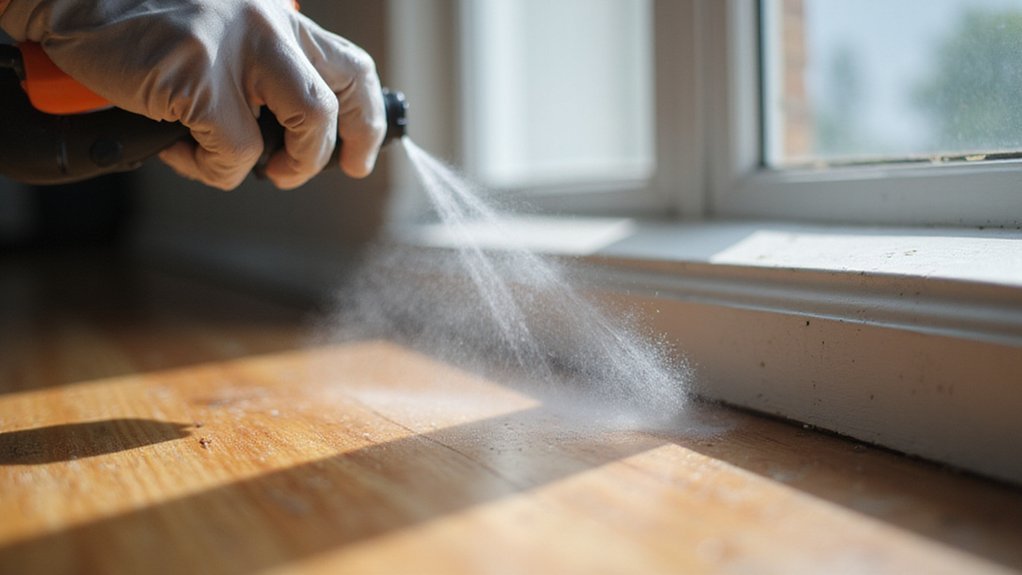
Although chemical pesticides effectively eliminate pests, they come with significant environmental and health consequences you should understand. When you apply these substances, you’re introducing toxins into your home and surrounding ecosystem. You risk exposing your family and pets to harmful chemicals that accumulate in soil and water sources. These poisons don’t discriminate—they kill beneficial insects alongside pests, disrupting natural ecosystems. You’ll also face potential health issues ranging from respiratory problems to neurological damage with prolonged exposure. Chemical residues persist on food crops, entering your body through consumption. Additionally, pests develop resistance over time, forcing you to use stronger formulations. You’re caught in an escalating cycle of chemical dependency that strains your wallet while compromising your family’s wellbeing and environmental integrity.
How Physical Pest Control Methods Work
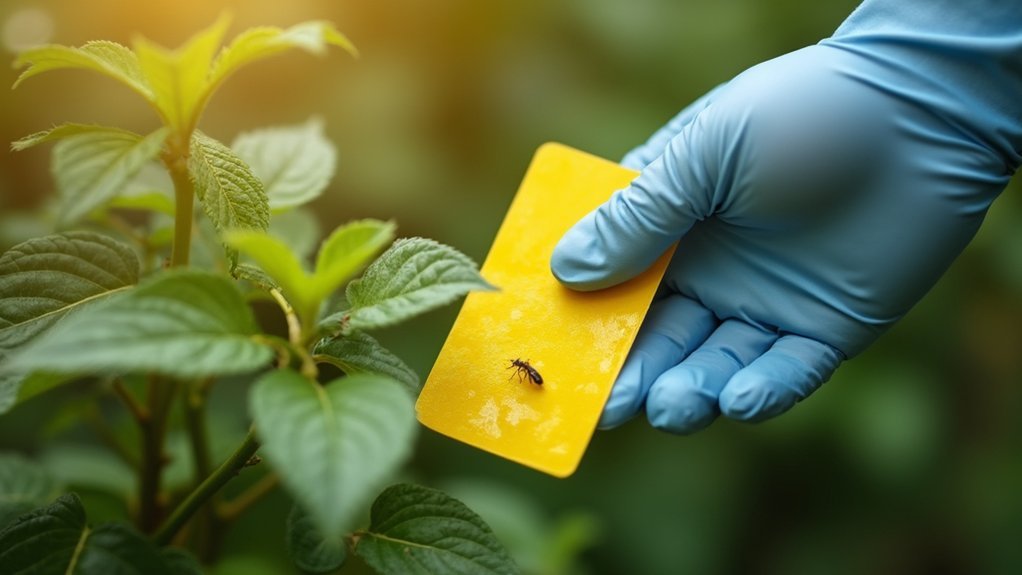
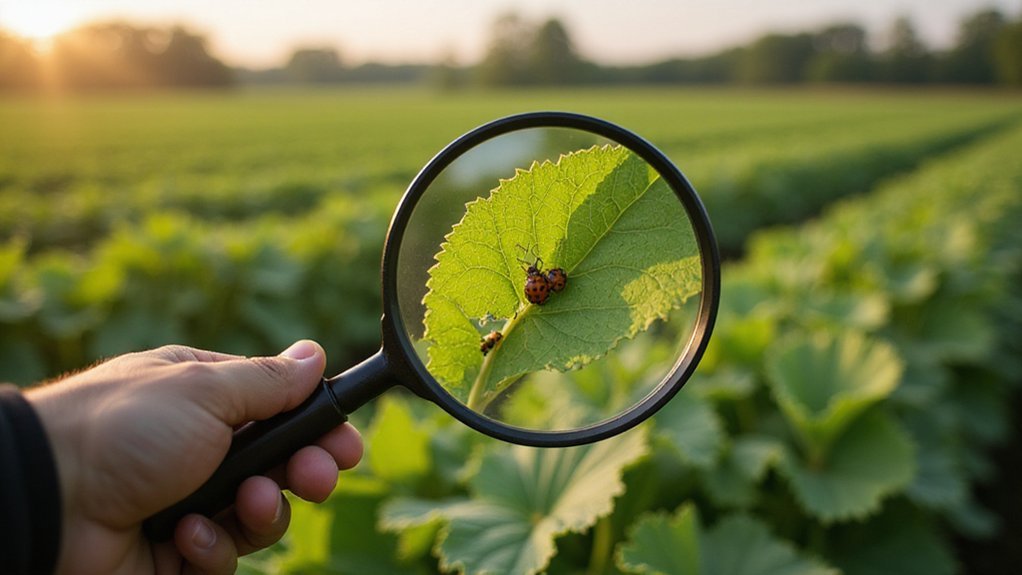
Given the risks associated with chemical pesticides, you’ll find physical pest control offers a safer alternative that relies on mechanical barriers, traps, and direct removal rather than toxic substances. You can implement netting to protect crops from insects and birds, or install screens on windows and doors to prevent entry. Sticky traps capture flying insects effectively, while pitfall traps work for crawling pests. You’ll also employ hand-picking for larger infestations, removing pests directly from affected plants. Exclusion methods seal cracks and crevices where pests hide. Vacuuming removes insects from surfaces without chemicals. These methods work immediately upon implementation, don’t require waiting periods, and pose no health risks to your family, pets, or the environment.
Safety Benefits for Families and Pets

While chemical pesticides pose serious health risks to your family and pets, physical pest control methods eliminate these dangers entirely. You won’t expose your loved ones to toxic residues or harmful fumes that linger on surfaces and in the air.
Physical methods like traps, screens, and exclusion techniques work without introducing poisons into your home. Your children can play safely on treated areas without risk of accidental ingestion or skin contact. Pets won’t suffer neurological damage or organ failure from pesticide exposure.
You’ll also avoid the cumulative effects of chemical buildup in your body over time. These natural alternatives protect vulnerable populations—infants, elderly relatives, and immunocompromised individuals—who face heightened risks from conventional treatments. By choosing physical pest control, you’re choosing a genuinely safe solution for your household.
Environmental Impact and Ecological Preservation
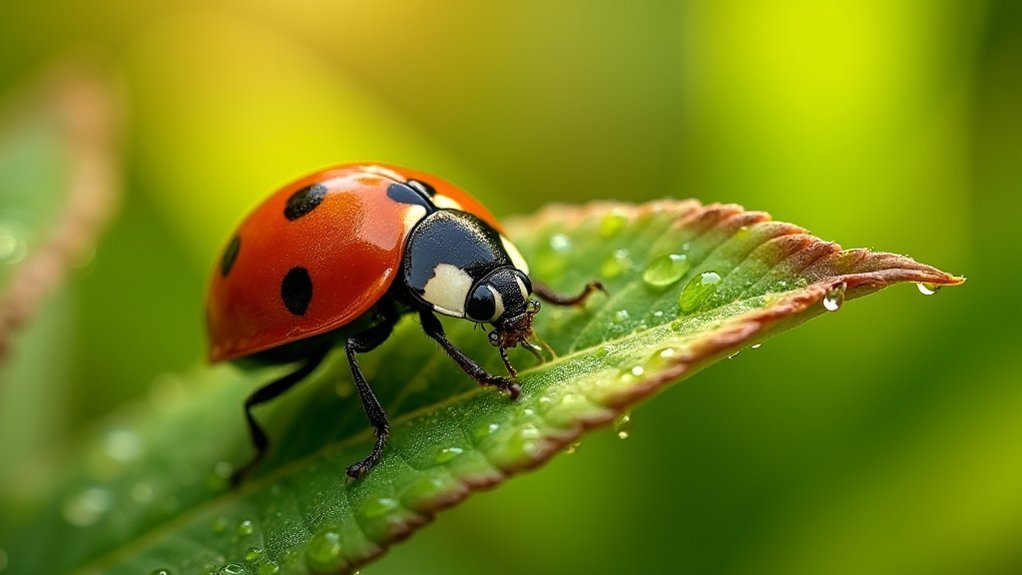
Physical pest control methods won’t contaminate your soil, groundwater, or local ecosystems the way chemical pesticides do. When you choose traps, barriers, or manual removal, you’re protecting beneficial insects like pollinators and natural predators that maintain ecological balance. Chemical pesticides indiscriminately kill these organisms, disrupting food chains and weakening biodiversity.
You’ll also prevent bioaccumulation—the process where toxins concentrate in organisms over time, moving up the food chain and harming wildlife and potentially your own family through contaminated produce. Physical methods leave no toxic residue in your environment.
Cost-Effectiveness Over Time
Many people assume physical pest control costs more upfront, but you’ll find that the long-term savings far outweigh initial investments. Chemical treatments require repeated applications because pests develop resistance, forcing you to purchase larger quantities or stronger formulations annually. You’ll spend considerably less maintaining physical barriers, traps, and exclusion methods, which you install once and use for years.
Additionally, you’ll avoid hidden expenses associated with chemical pest control: protective equipment, potential property damage, and health-related costs. Chemical residues can contaminate soil and water, resulting in expensive cleanup and remediation. Insurance premiums may increase if you rely on hazardous substances.
Physical pest control delivers genuine economic advantages. Your initial investment translates into sustainable, predictable expenses, while chemical approaches drain your budget through perpetual repurchasing and unforeseen complications.
Targeted Solutions for Specific Pest Problems
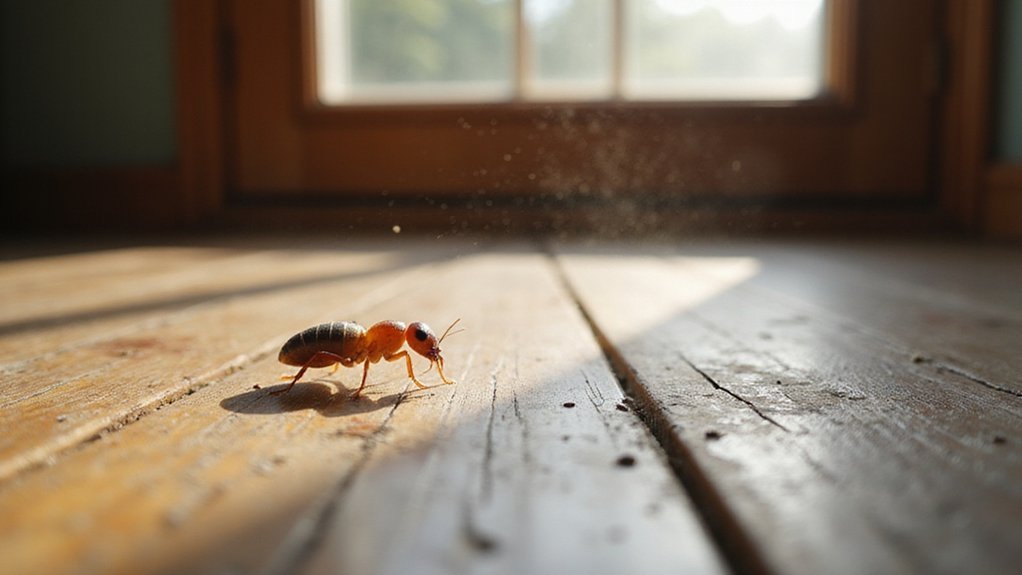
Understanding your pest problem’s unique characteristics allows you to select the most effective physical control method for your situation. Different pests require different approaches. You’ll trap rodents with snap traps or live cages, but you’ll use sticky traps for insects. You’ll install fine mesh netting to protect crops from beetles, while you’ll deploy pheromone traps to monitor moth populations. You can seal cracks to exclude cockroaches, yet you’ll use row covers for garden pests. You’ll manually remove larger insects, but you’ll apply diatomaceous earth for smaller ones. By identifying the specific pest species infesting your property, you’ll implement precisely targeted solutions. This specificity guarantees you’re not wasting effort on ineffective methods, maximizing your success rate while minimizing environmental impact.
Sustainability and Long-Term Pest Management
While targeted pest control methods provide immediate relief, they’re most effective when integrated into a long-term management strategy that sustains your property’s health. You’ll achieve lasting results by combining physical barriers, regular inspections, and habitat modifications rather than relying on repeated chemical applications.
You’ll reduce pest populations sustainably by eliminating conditions that attract them—removing food sources, sealing entry points, and maintaining proper sanitation. This approach prevents resistance development, which chemical treatments often trigger after prolonged use.
You’ll also protect your property’s ecosystem, preserving beneficial insects that naturally control pest populations. Your long-term investment in physical pest management reduces treatment frequency and costs while maintaining consistent protection. You’re fundamentally establishing a self-regulating system that minimizes future infestations without environmental damage.
Making the Switch: Practical Implementation Strategies
Shifting from chemical-dependent pest control to physical methods doesn’t happen overnight, but you can start implementing changes immediately through a structured approach. Begin by auditing your current pest problems and identifying which physical methods suit your situation best. Install screens, seal cracks, and remove pest attractants like standing water and food sources. Introduce beneficial insects or deploy traps strategically in affected areas. Train your staff on proper application techniques and monitoring protocols. Gradually reduce chemical applications while tracking results. Partner with pest control professionals experienced in integrated pest management to guide your migration. Document what works for your specific environment. This phased approach minimizes disruption while building a sustainable system that protects your property without relying on harmful toxins.
Conclusion
You’ll find that switching to physical pest control gives you immediate, safer results without exposing your family to harmful chemicals. You’re protecting your home’s ecosystem while saving money on repeated treatments. You can implement these methods today—seal cracks, install traps, and remove pests directly. You’ll create a healthier living environment that benefits everyone in your household and preserves the natural world around you.