You’re dealing with a pest problem in your rental, and you’re uncertain who should handle it. Is it your responsibility as the tenant, or should your landlord step in? The answer isn’t always straightforward. UK housing law sets clear expectations for both parties, but knowing where you stand legally—and what protections exist for your deposit—requires understanding the nuances that often catch tenants off guard.
Understanding Your Legal Rights as a Tenant
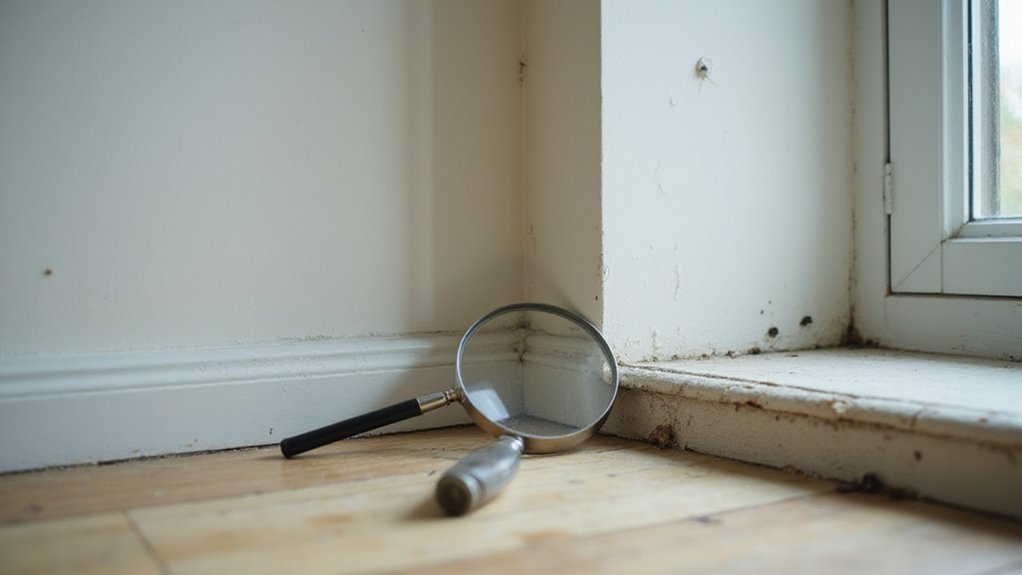
As a tenant, you’ve got important legal protections when it comes to pest infestations in your rental property. Under UK housing law, your landlord must guarantee your home’s habitability, which includes maintaining it free from pests. The Environmental Health Act 1990 requires properties to be safe and sanitary.
You’re entitled to a pest-free living environment, and infestations typically fall under your landlord’s responsibility, not yours. If you discover pests, you must report the issue to your landlord immediately in writing, documenting the problem with photos or videos when possible.
Your landlord then has a reasonable timeframe to address the infestation professionally. If they fail to act, you can contact your local environmental health department or seek legal advice about your options, including rent reduction or contract termination.
Landlord Responsibilities Under UK Housing Law
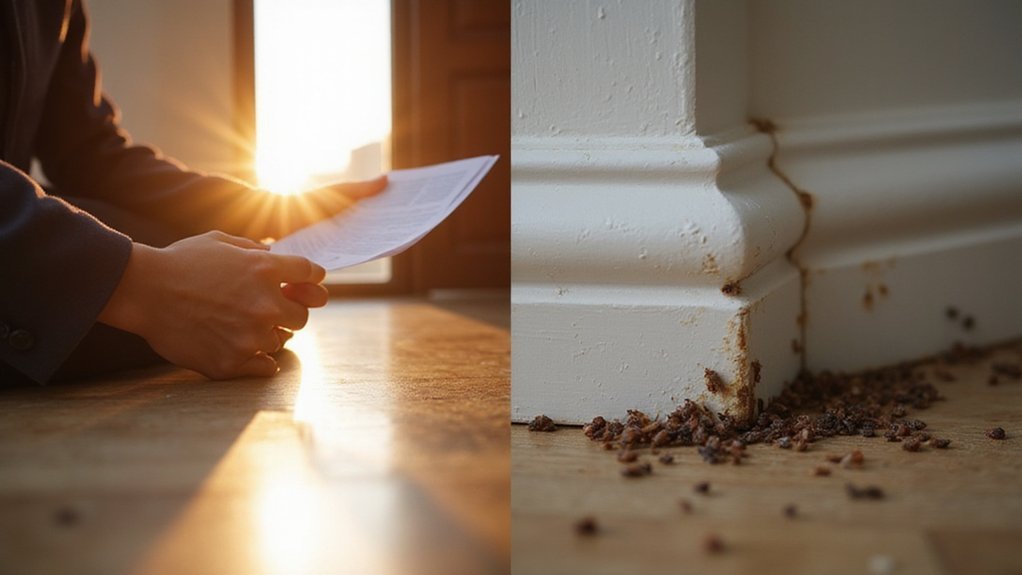
Because pest infestations directly impact your health and safety, your landlord’s obligations extend far beyond simply acknowledging the problem. Under UK housing law, your landlord must maintain the property in a habitable condition, which includes addressing pest issues promptly. They’re legally required to guarantee the premises are free from infestations that could affect your wellbeing or damage the structure.
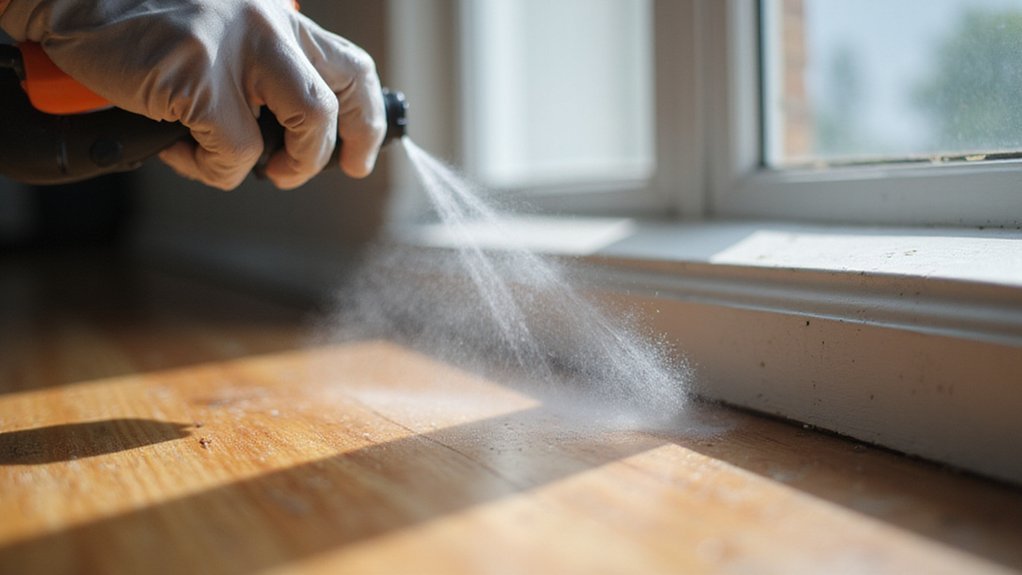
Your landlord must respond to your pest reports without unnecessary delay and arrange professional pest control services at their expense. They can’t pass treatment costs to you or deduct them from your deposit. Additionally, they’re responsible for fixing any structural damage—like gaps or cracks—that allows pests entry.
If your landlord neglects these obligations, you can file a complaint with your local authority’s environmental health department or pursue legal action.
Common Pests and Who’s Liable for Treatment
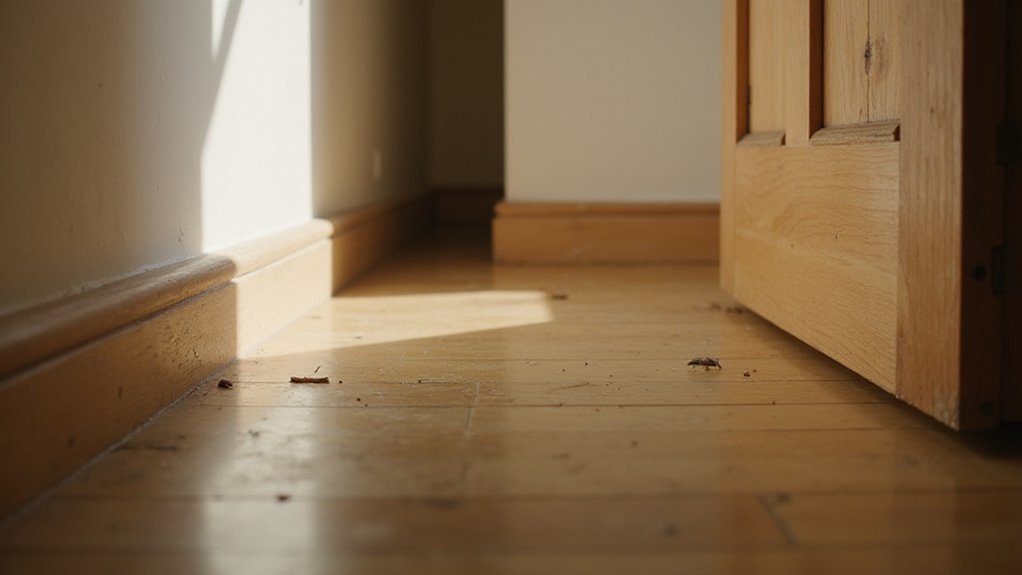
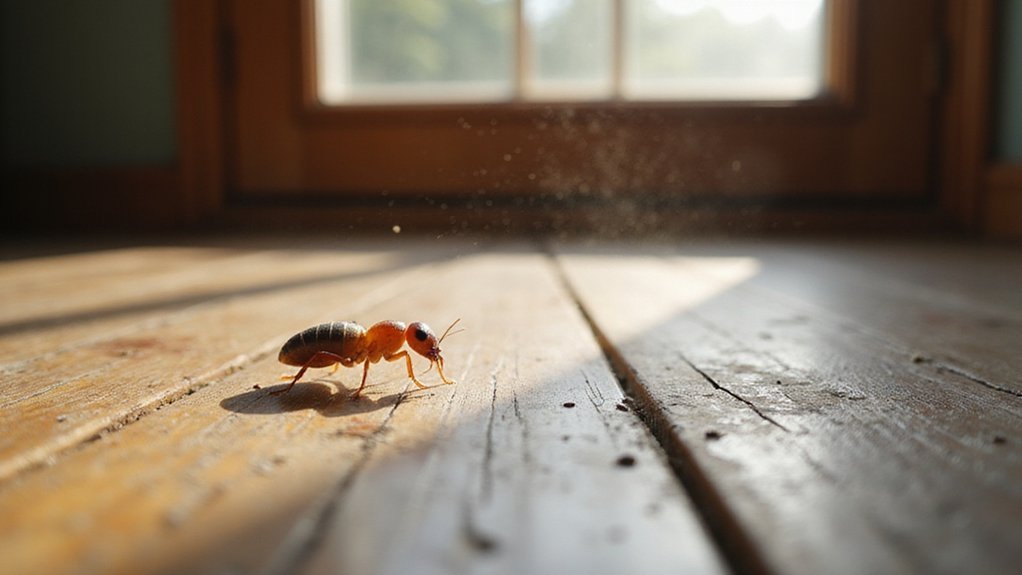
Now that you understand your landlord’s legal obligations, it’s worth knowing which pests fall under their responsibility and when you might need to take action yourself. Structural infestations like rodents, bedbugs, and cockroaches typically fall on your landlord since they’re linked to the property’s condition. You’re generally responsible for pest control resulting from poor hygiene or your own actions. However, this distinction isn’t always clear-cut. If you’ve maintained cleanliness but still discover an infestation, your landlord should arrange treatment. Document everything—photograph evidence, keep receipts, and maintain communication records. If your landlord refuses reasonable pest control requests, you can lodge formal complaints with local environmental health departments or pursue legal action to guarantee the property remains habitable.
Structural Issues That Make Landlords Responsible
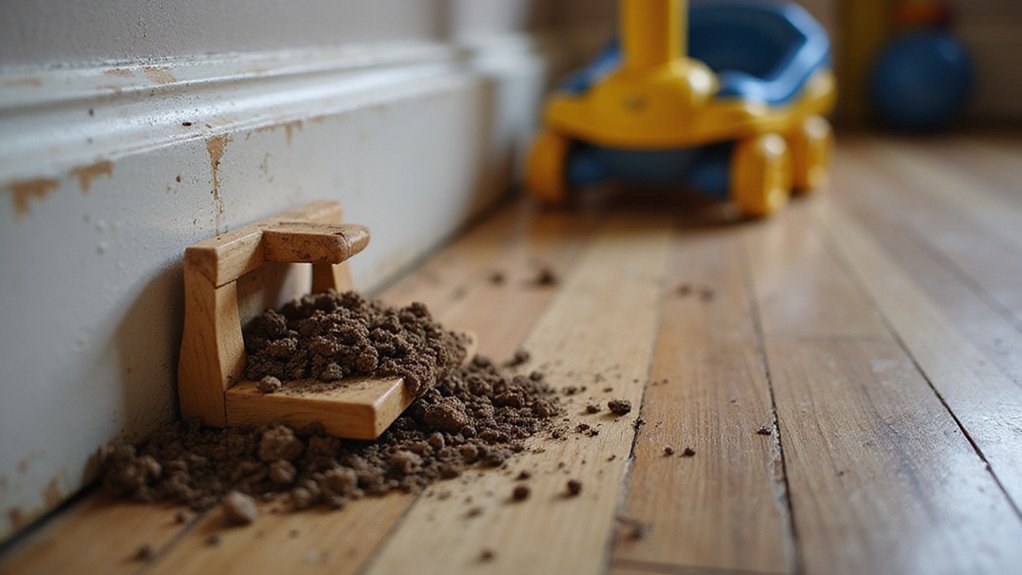
Several structural defects create the perfect conditions for pest infestations, and your landlord’s responsible for addressing them. Gaps in walls, floors, and foundations allow rodents and insects easy entry into your home. Damaged window frames, broken seals, and deteriorated door jambs compromise your property’s integrity. Leaky pipes and poor drainage create moisture that attracts pests seeking water sources. Cracked render or missing brickwork exposes interior spaces to unwanted visitors. Inadequate ventilation in kitchens and bathrooms encourages damp conditions favoring pest colonization. Your landlord must maintain the property’s structural fabric to prevent infestations. They’re legally obligated to repair these defects promptly, preventing pest problems before they develop. Documenting these issues protects you, establishing clear landlord liability for necessary repairs.
Tenant Obligations for Pest Prevention and Hygiene
While your landlord must fix structural defects, you’re responsible for maintaining cleanliness and hygiene to prevent pest infestations. You should store food in sealed containers, dispose of waste promptly, and keep your kitchen clean and dry. Don’t leave dirty dishes out overnight or allow crumbs to accumulate on surfaces and floors. You’re obligated to report pest sightings immediately to your landlord, as early intervention impedes widespread infestations. Maintain regular cleaning schedules, especially in areas prone to pests like bathrooms and under appliances. Remove clutter where insects might hide, and guarantee your bins are sealed properly. By adhering to these hygiene standards, you’ll help protect both your rental property and your own living conditions from pest problems.
How to Report Pest Infestations to Your Landlord
Prompt reporting is your legal responsibility and the most effective way to prevent a minor pest problem from becoming a major infestation. You’ll want to contact your landlord immediately upon noticing signs of pests—droppings, damage, or actual sightings.
Document everything with photos and dates before reporting. Send written notification via email or registered post to create a paper trail. Include specific details: pest type, location, extent of the problem, and when you first noticed it.
Give your landlord a reasonable timeframe to respond, typically 24-48 hours for urgent issues. If they’re unresponsive, send a follow-up message referencing your initial report.
Keep copies of all communications. If the infestation persists despite your reports, you may have grounds for rent reduction or legal action under UK housing standards legislation.
Pest Control Costs: Who Pays for Treatment
In most cases, your landlord’s responsible for paying pest control treatment costs when you’re renting. Since they own the property, they’re legally obligated to maintain it in a habitable condition, which includes addressing pest problems caused by structural issues or pre-existing infestations.
However, you’ll likely pay if you’ve caused the infestation through poor hygiene or neglect. Your tenancy agreement may specify this distinction. Some landlords request you cover costs for treatments required due to your habits, though this varies by lease terms.
Always document the infestation with photos and report it promptly in writing. This protects you legally and establishes your landlord’s responsibility. If they refuse to pay, you can contact your local council’s environmental health department for enforcement action.
Documenting Evidence of Infestations
How you’ll document an infestation can substantially strengthen your case if your landlord disputes responsibility. Take clear photos and videos of pest activity, droppings, and damage from multiple angles. Note dates, times, and locations where you’ve spotted infestations. Keep all pest-related receipts, including treatments you’ve purchased yourself. Save correspondence with your landlord—emails, texts, and letters—showing when you reported the problem and their response (or lack thereof). If you’ve called pest control professionals, request written reports detailing the infestation severity and recommended solutions. Document any health issues or property damage resulting from the pests. This detailed evidence trail proves you’ve acted responsibly and establishes a clear timeline, making it difficult for your landlord to deny their obligation to address the problem.
Resolving Disputes Over Pest Control Responsibility
When your landlord refuses to acknowledge their obligation to address an infestation, the evidence you’ve gathered becomes your most powerful tool. Present your documented photographs, pest control quotes, and correspondence clearly and professionally.
If informal communication fails, send a formal letter via registered mail outlining the problem, your evidence, and a reasonable deadline for action. Reference the relevant legislation—typically the Housing Act 2004—that mandates landlords maintain habitable properties.
Consider contacting your local environmental health department, which can inspect the property and issue enforcement notices. You can also lodge a complaint with your local authority’s housing team or seek advice from Citizens Advice.
As a last resort, you may pursue small claims court to recover pest control costs you’ve paid yourself, provided you’ve given your landlord reasonable opportunity to address the issue.
Protecting Your Deposit From Wrongful Deductions
After you’ve resolved a pest infestation, you’ll need to safeguard your deposit against deductions your landlord might claim are pest-related. Document everything meticulously—photograph the property before moving in and after treatment to establish baseline conditions. Keep all pest control invoices and professional reports that prove you’ve addressed the issue promptly.
Request written confirmation from your landlord acknowledging the pest problem’s resolution. If they attempt unjustified deductions, challenge them through your deposit protection scheme within the required timeframe. You can dispute claims if the damage wasn’t your responsibility or if treatments weren’t necessary.
Familiarize yourself with deposit protection regulations in your region. Your landlord must follow specific procedures when making deductions, and any breaches could result in compensation claims against them. Stay organized and assertive to protect your money.
Conclusion
You’re protected under UK housing law when dealing with pest infestations. Your landlord must arrange and pay for professional pest control services—you can’t be charged or have costs deducted from your deposit. You’ll need to maintain hygiene standards and report problems promptly, but structural issues remain your landlord’s responsibility. Document everything and don’t hesitate to challenge wrongful deductions or dispute pest control responsibility disputes.