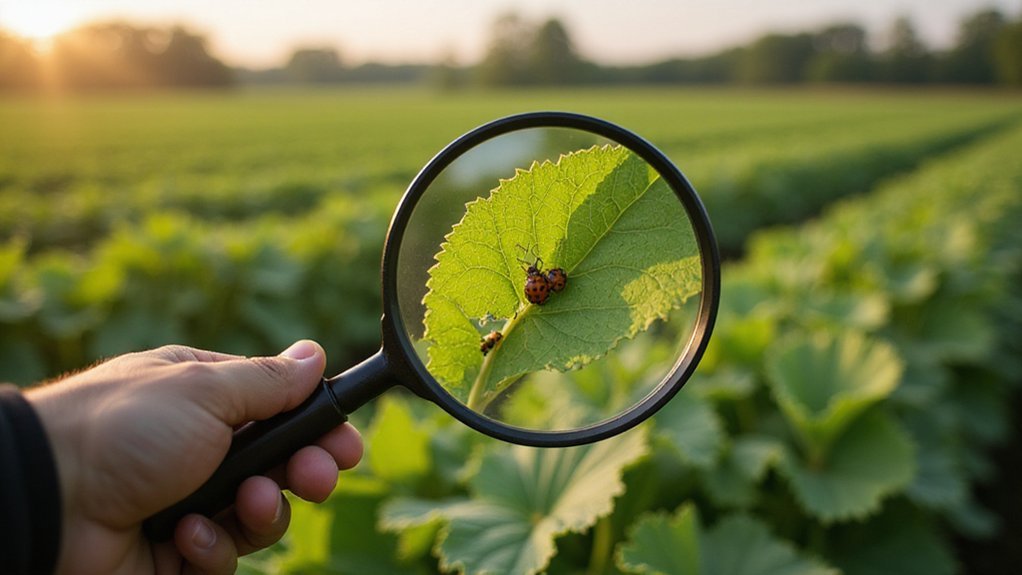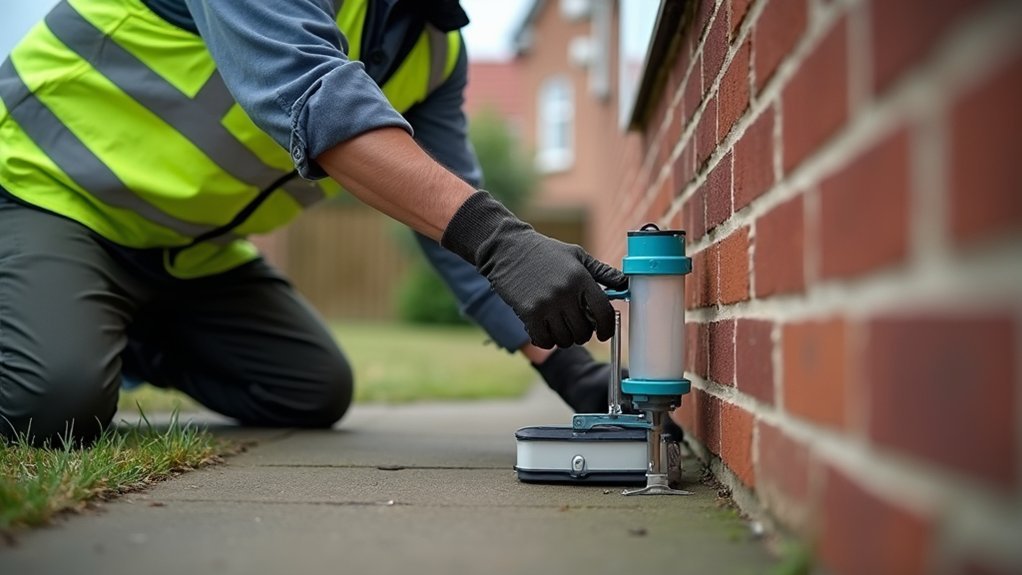
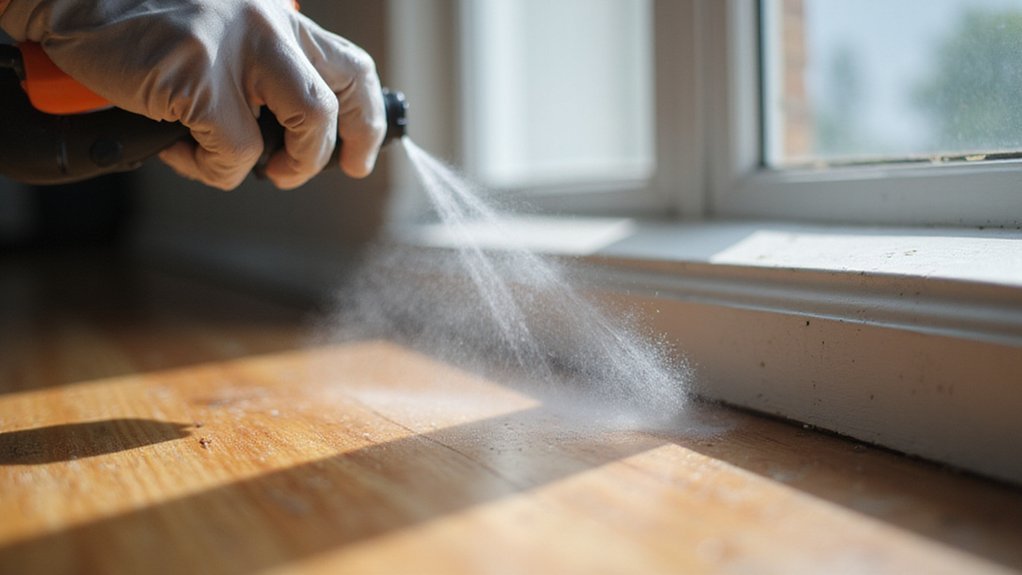
You’re likely dealing with unwanted critters in your home or business right now. Maybe you’ve spotted droppings in your pantry or heard scratching in your walls. Pest control isn’t just about eliminating what you see—it’s about understanding why they’re there and stopping them from returning. But here’s the thing: the solution you choose matters more than you’d think.
Common Types of Household Pests
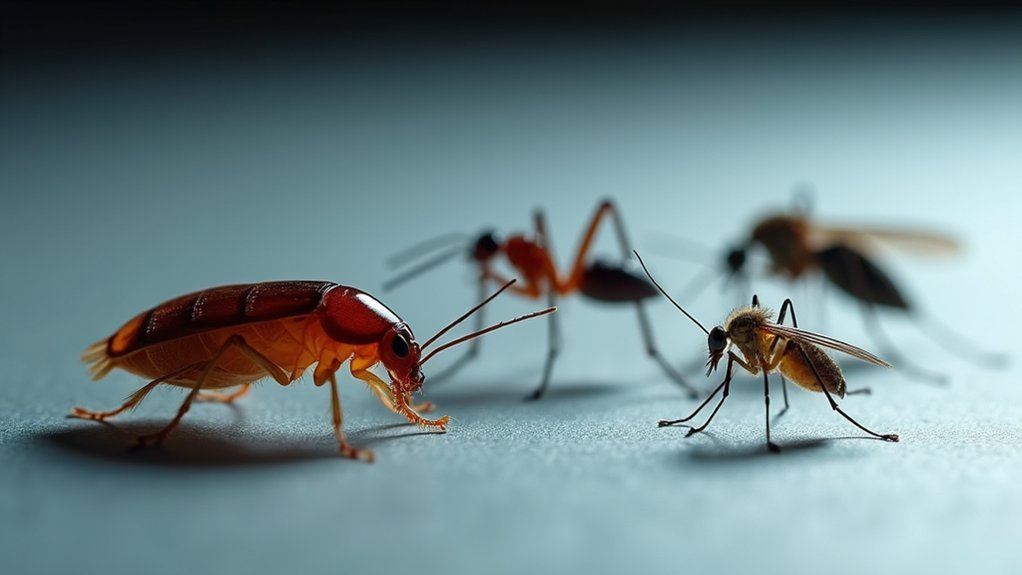
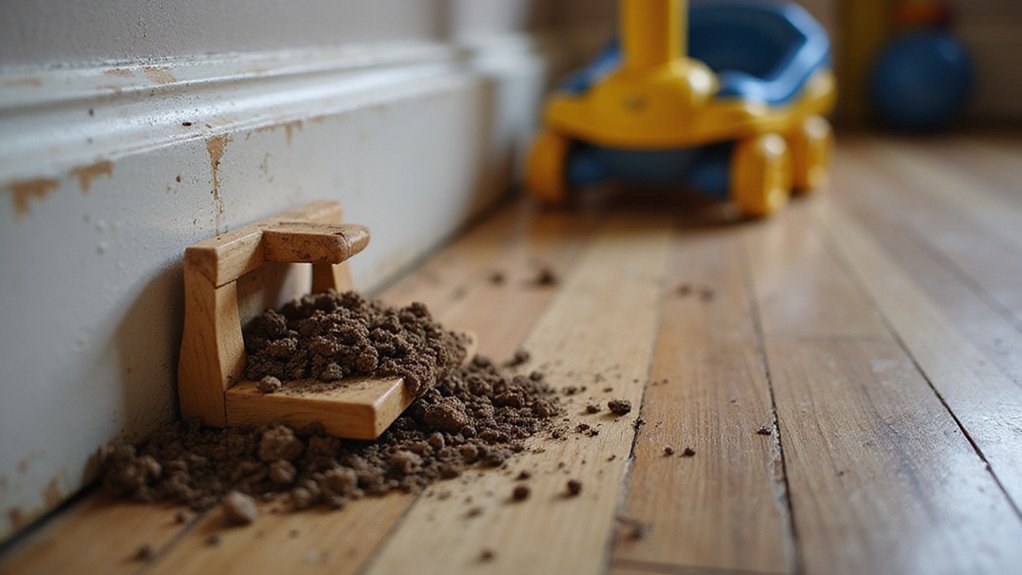
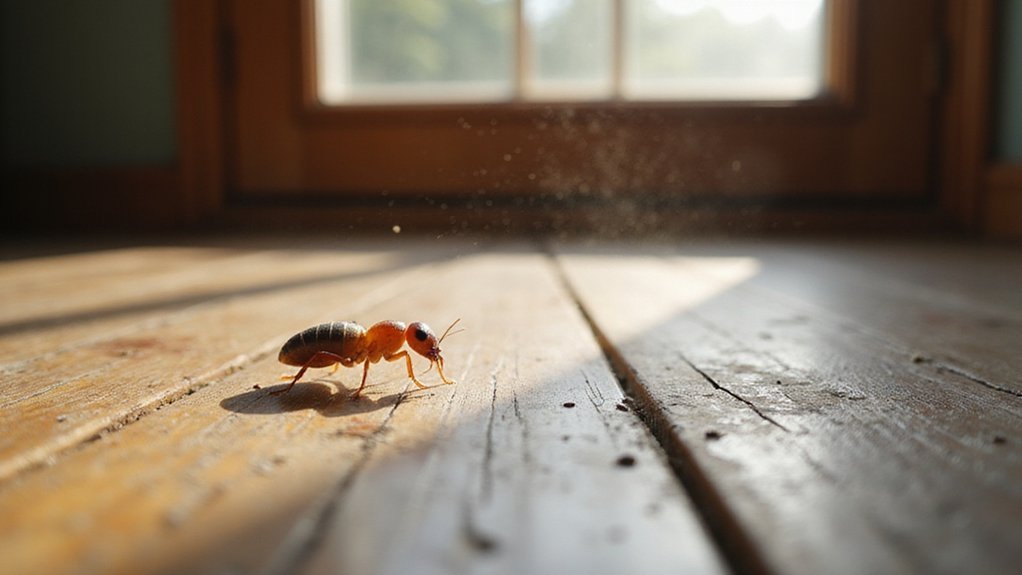
Whether you’re dealing with unwanted visitors in your kitchen or finding damage in your walls, you’ve likely encountered one of the most common household pests. Cockroaches thrive in warm, moist environments and contaminate food and surfaces. Rodents like mice and rats gnaw through wiring and insulation while spreading diseases. Termites silently destroy wooden structures, causing thousands of dollars in damage. Bed bugs hide in mattresses and upholstered furniture, leaving itchy welts on your skin. Ants invade pantries and create unsightly trails throughout your home. Spiders spin webs in corners, though they’re generally harmless. Mosquitoes breed in standing water and transmit dangerous diseases. You’ll also encounter silverfish in damp areas and flies around trash and food sources. Understanding these pests helps you identify infestations early and take appropriate action.
Chemical and Non-Chemical Treatment Methods
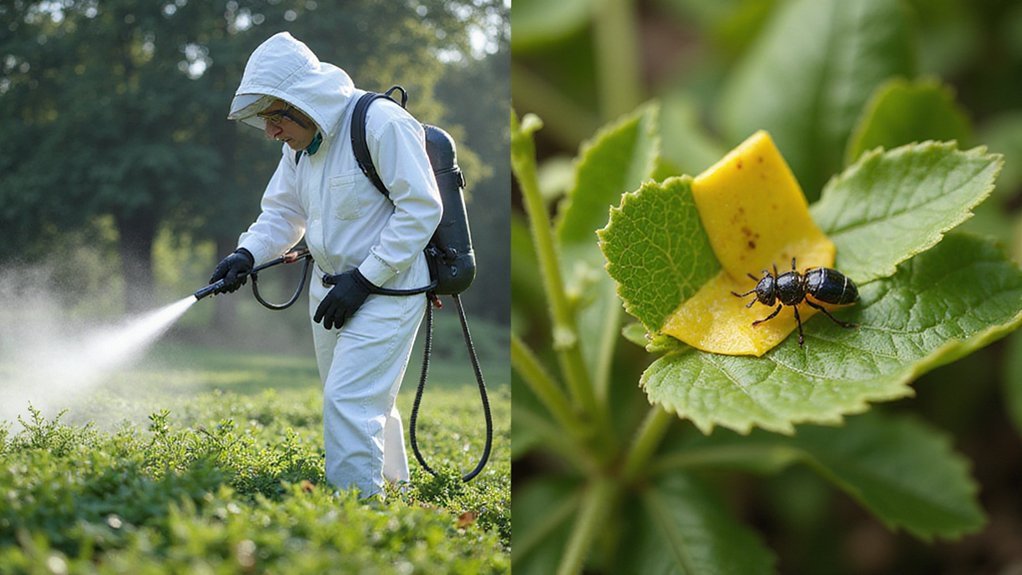
Once you’ve identified a pest problem, you’ll need to choose between chemical and non-chemical treatment approaches. Chemical treatments like pesticides kill pests quickly and effectively, making them ideal for severe infestations. However, they pose potential health risks to your family and pets if misapplied.
Non-chemical methods offer safer alternatives. You can use physical barriers, traps, and exclusion techniques to prevent pest entry. Biological controls introduce natural predators to eliminate unwanted insects. Heat treatments and diatomaceous earth work well for specific pests without toxic residues.
Your choice depends on infestation severity, pest type, and safety priorities. Minor problems often respond to non-chemical solutions, while extensive infestations may require professional chemical treatment. Consider combining both approaches for thorough pest management that balances effectiveness with household safety.
Professional Pest Control Services vs. DIY Solutions
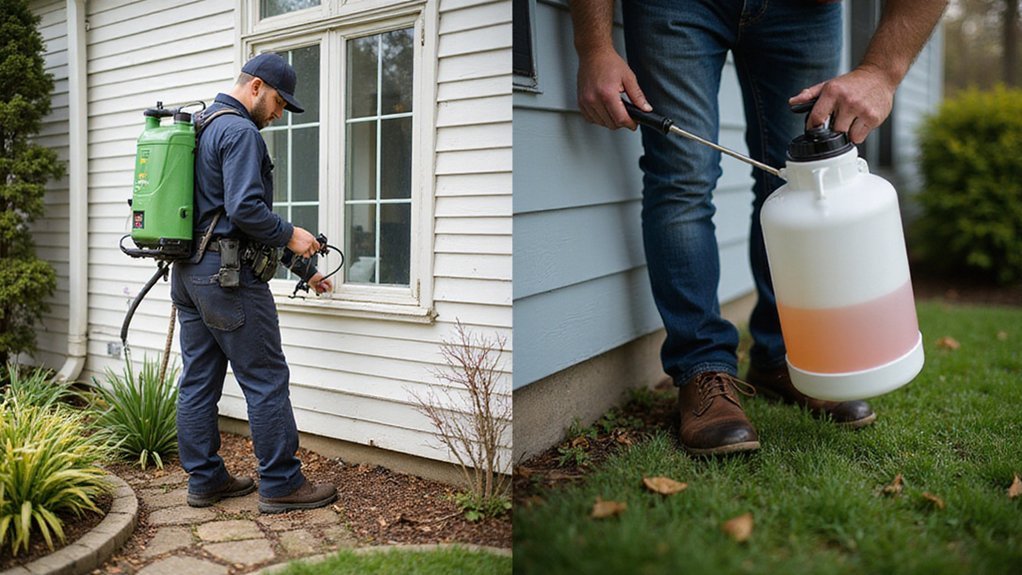
As you weigh your treatment options, deciding between professional pest control services and do-it-yourself solutions requires understanding the strengths and limitations of each approach. DIY methods offer cost savings and immediate action, but they often lack the expertise needed for severe infestations. You might misidentify pests or apply treatments incorrectly, prolonging problems.
Professional pest control services provide trained technicians who diagnose issues accurately and use industrial-grade solutions. They’re equipped to handle complex infestations and offer ongoing monitoring. However, you’ll pay more upfront.
Consider your infestation’s severity, your budget, and your comfort level handling chemicals. Minor issues might warrant DIY attempts, while persistent or widespread problems benefit from professional intervention. Many homeowners find combining both approaches—using professionals initially, then maintaining with DIY prevention—most effective.
Prevention Strategies and Best Practices
Regardless of whether you’ve tackled an infestation professionally or through DIY efforts, prevention is what truly keeps pests from returning. You’ll want to seal cracks and crevices around your home’s foundation, windows, and doors. Store food in airtight containers and don’t leave pet food out overnight. Remove standing water sources that attract mosquitoes and other insects. Trim vegetation away from your house’s exterior and maintain a clean yard by clearing debris. Take out trash regularly in sealed bins. Inside, you should declutter spaces where pests hide and keep your kitchen spotless. Schedule regular inspections of vulnerable areas like basements and attics. These proactive measures markedly reduce pest problems before they escalate.
Health and Environmental Considerations
While prevention stops pests at the source, you’ll also need to evaluate the health and environmental impact of the control methods you choose. Chemical pesticides can harm non-target species, contaminate soil and water, and pose risks to your family and pets. Consider safer alternatives like integrated pest management (IPM), which combines biological controls, mechanical removal, and targeted chemical use only when necessary.
You should prioritize products with lower toxicity ratings and follow all label instructions carefully. Choose professional pest control services that use eco-friendly approaches. When chemicals are unavoidable, apply them during off-hours to minimize exposure. Proper disposal of pesticide containers prevents environmental contamination. By weighing health and ecological consequences against pest management needs, you’ll make responsible decisions that protect both your property and the ecosystem.
Conclusion
You’ll find that effective pest control combines identification, treatment, and prevention strategies tailored to your specific situation. Whether you’re choosing professional services or handling problems yourself, you’ll need to weigh costs against effectiveness. You can protect your home and health by implementing regular prevention measures, sealing entry points, and maintaining cleanliness. Remember, you’re balancing pest elimination with environmental responsibility for long-term success.