You’ve likely heard about Integrated Pest Management, or IPM, but do you really understand what sets it apart from conventional pest control? Instead of reaching for pesticides at the first sign of trouble, you’re adopting a smarter, data-driven strategy that monitors pest populations and uses the least-toxic interventions necessary. It’s cost-effective, environmentally responsible, and surprisingly simple—but here’s where it gets interesting.
The Core Principles of IPM
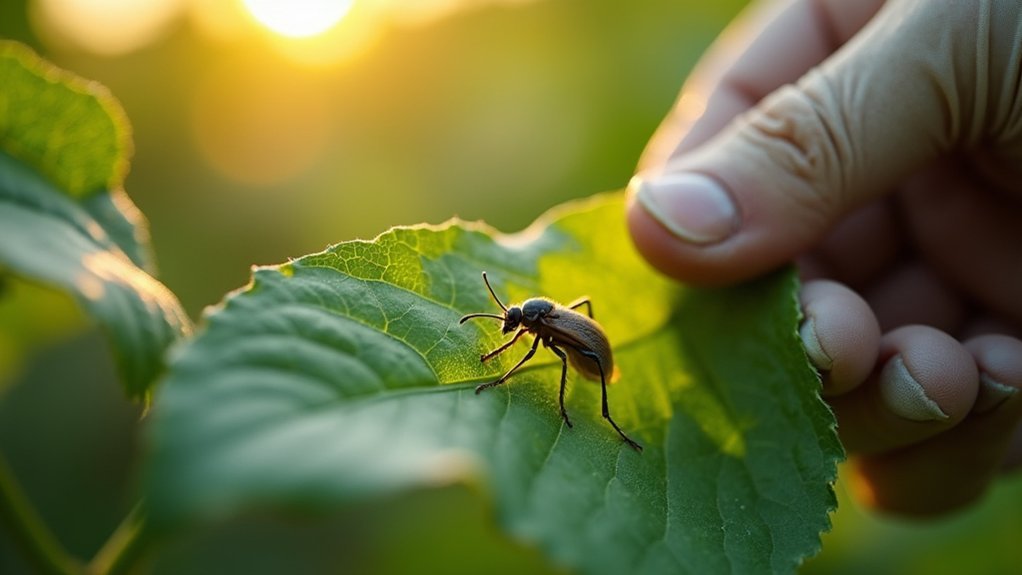
At its foundation, Integrated Pest Management relies on several interconnected principles that guide effective, sustainable pest control. You’ll start by monitoring pest populations regularly to understand what you’re dealing with. This data-driven approach lets you set realistic action thresholds—the point where pest damage justifies intervention.
You’ll also implement prevention strategies first, such as removing pest habitats and using resistant plant varieties. When intervention becomes necessary, you’ll choose the least toxic option available, whether that’s biological controls, cultural practices, or targeted pesticides.
You’re committed to using multiple control methods simultaneously rather than relying on single solutions. Finally, you’ll continuously evaluate your results and adjust your strategies accordingly. This adaptive, holistic approach minimizes environmental impact while keeping pest populations manageable and your costs reasonable.
How IPM Differs From Traditional Pest Control

While conventional pest control typically relies on regular pesticide applications regardless of pest populations, IPM takes a fundamentally different approach by treating chemicals as a last resort rather than a first response.
You’ll notice IPM emphasizes prevention and monitoring instead. Rather than spraying preventatively, you implement cultural practices, physical barriers, and biological controls first. You scout your property regularly, identifying pest problems before they escalate.
Traditional pest control often creates resistant pest populations through repeated chemical exposure. You avoid this trap with IPM by rotating treatment methods and using pesticides only when pest populations exceed acceptable thresholds.
You’ll also spend less money long-term. While IPM requires initial effort learning proper techniques, you reduce chemical costs considerably. Traditional approaches demand continuous expensive applications, whereas IPM provides sustainable, cost-effective pest management.
Monitoring and Identifying Pest Populations
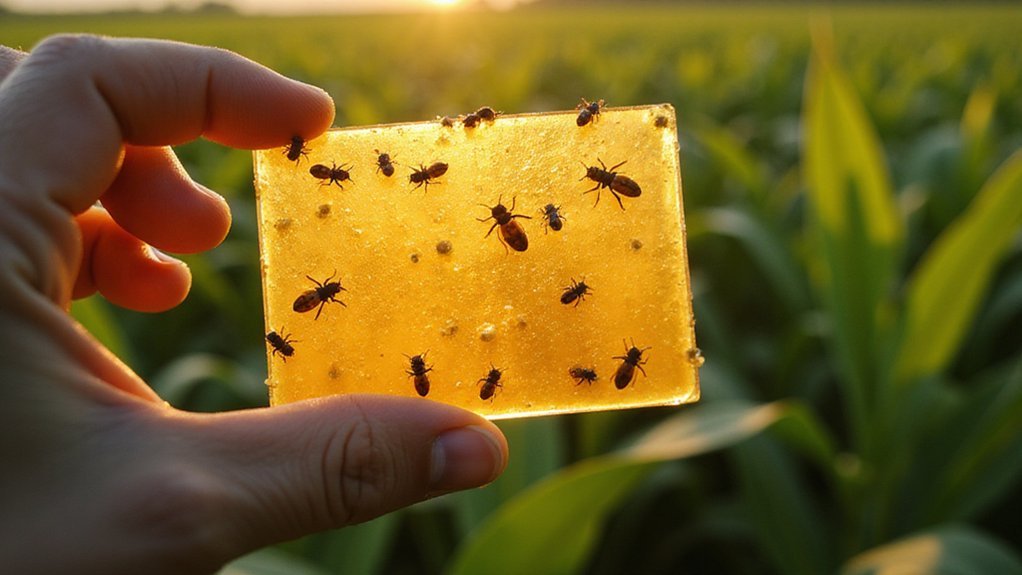
Regular monitoring forms the backbone of effective IPM, allowing you to catch pest problems early before they cause significant damage. You’ll need to scout your property regularly, inspecting plants, soil, and structures for signs of pest activity.
When you identify pests, accurate classification matters tremendously. You must distinguish between harmful species and beneficial insects that naturally control pests. Use field guides, pest management websites, or local extension offices to confirm what you’re dealing with.
Document your findings by recording pest types, population sizes, and affected areas. This data helps you determine whether populations’ve reached action thresholds—the point where treatment becomes necessary. Monitoring reduces unnecessary pesticide applications, saving you money while protecting the environment and non-target organisms on your property.
Biological Control Methods
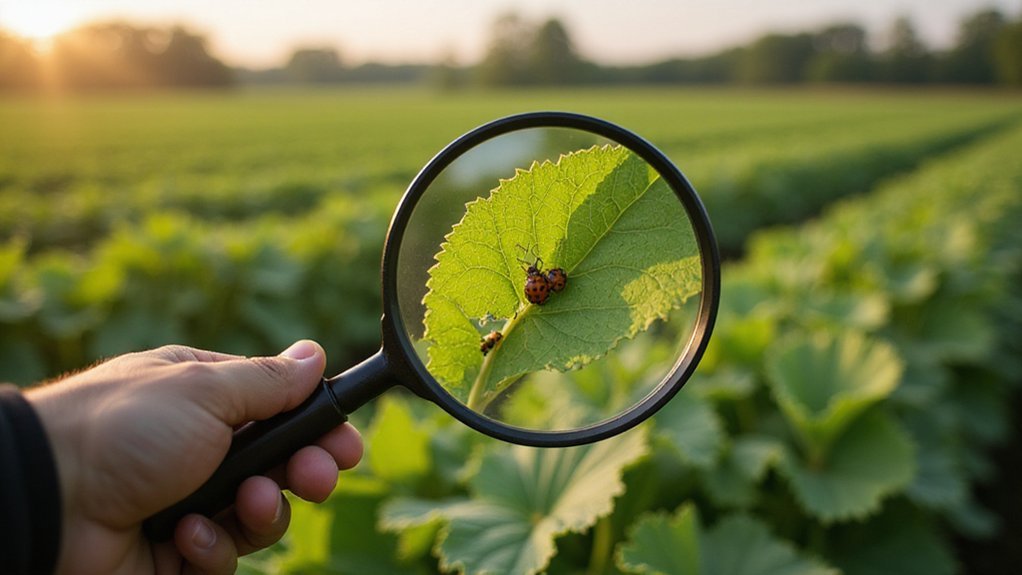
Once you’ve identified pest populations and determined they’ve reached action thresholds, biological control methods offer a natural way to manage the problem. You can introduce natural predators like ladybugs or parasitic wasps that feed on harmful insects. These beneficial organisms establish themselves in your environment and provide ongoing pest suppression without chemical intervention.
You might also use pathogens such as Bacillus thuringiensis (Bt), a bacterium that targets specific pest larvae. Pheromone traps help you monitor pest activity while disrupting mating cycles. You can implement these strategies alone or combine them for enhanced effectiveness.
Biological controls work best when you maintain habitat conditions that support beneficial insects. This approach reduces your reliance on pesticides while protecting non-target organisms and promoting ecological balance.
Cultural and Mechanical Strategies
Beyond biological controls, you can implement cultural practices that make your environment less hospitable to pests. You’ll rotate crops to disrupt pest life cycles and deplete their food sources. Removing plant debris eliminates pest breeding grounds, while adjusting irrigation timing prevents conditions that favor certain insects or diseases.
Mechanical strategies offer direct pest removal without chemicals. You can install row covers to protect seedlings, use hand-picking for larger insects, or set up traps that capture pests before infestations spread. Tilling soil exposes hidden pests to predators and harsh conditions.
These approaches complement each other effectively. By combining proper sanitation, strategic planting schedules, and physical barriers, you reduce pest populations considerably. This foundation strengthens your integrated pest management system, making chemical interventions less necessary and creating a sustainable, productive growing environment.
Habitat Modification Techniques
Transforming your growing space into an inhospitable environment for pests requires strategic habitat modifications that disrupt their survival and reproduction. You’ll remove debris, decaying plant matter, and dense vegetation where pests shelter and breed. Improve air circulation by spacing plants appropriately and pruning lower branches, which reduces humidity that many pests favor. Eliminate standing water sources that attract insects and disease vectors. Install row covers and netting to physically block pest access to vulnerable plants. Alter soil conditions through proper drainage and mulching practices that discourage pest establishment. You can also introduce beneficial plants that repel common pests or attract their natural predators. These modifications create conditions favoring your crops while making your garden an unattractive habitat for unwanted insects and organisms.
Chemical Pesticides in IPM: When and How to Use Them
Why should you consider chemical pesticides only after exhausting other IPM strategies? You’ll want to preserve beneficial insects and minimize environmental impact. Chemical pesticides are your last resort when monitoring reveals pest populations that threaten crop viability.
When you do apply pesticides, timing matters critically. You’ll achieve better results by treating during pest’s vulnerable life stages—eggs or young nymphs rather than adults. Select targeted products that affect your specific pest while sparing non-target organisms.
How should you apply them? You’ll use spot treatments on affected areas instead of blanket applications. Rotate between different chemical classes to prevent resistance development. Always follow label instructions precisely regarding dilution rates, application frequency, and safety precautions.
This measured approach maintains long-term pest control effectiveness while reducing unnecessary chemical exposure.
IPM in Agricultural Settings
The principles you’ve learned about chemical pesticide restraint become even more powerful when you apply them across entire farming operations. You’ll implement crop rotation to disrupt pest life cycles and reduce soil-borne diseases. You’ll monitor fields regularly, scouting for pest populations before they cause economic damage. You’ll introduce beneficial insects like ladybugs and parasitic wasps to control harmful species naturally. You’ll use resistant crop varieties whenever possible, minimizing pest vulnerability from the start. You’ll apply pesticides only when pest populations exceed threshold levels, reducing chemical exposure and costs. You’ll also create habitat corridors that encourage natural predators. This thorough/detailed/extensive approach protects your soil health, reduces production costs, and minimizes environmental contamination while maintaining profitable yields.
Implementing IPM in Commercial and Residential Spaces
Buildings face their own pest challenges that differ considerably from agricultural environments. You’ll need to adapt IPM strategies for indoor spaces where pesticide use requires careful restriction.
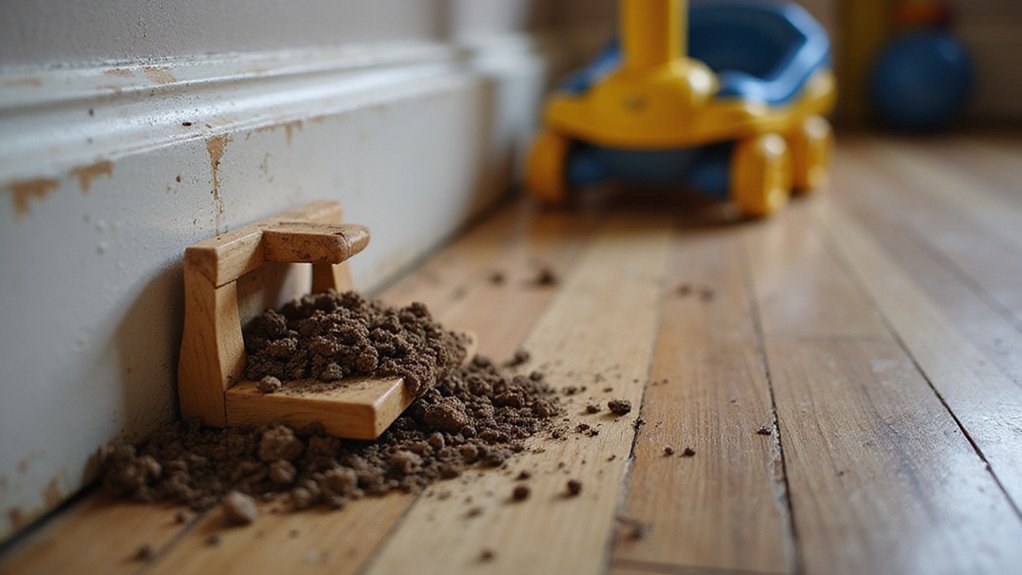
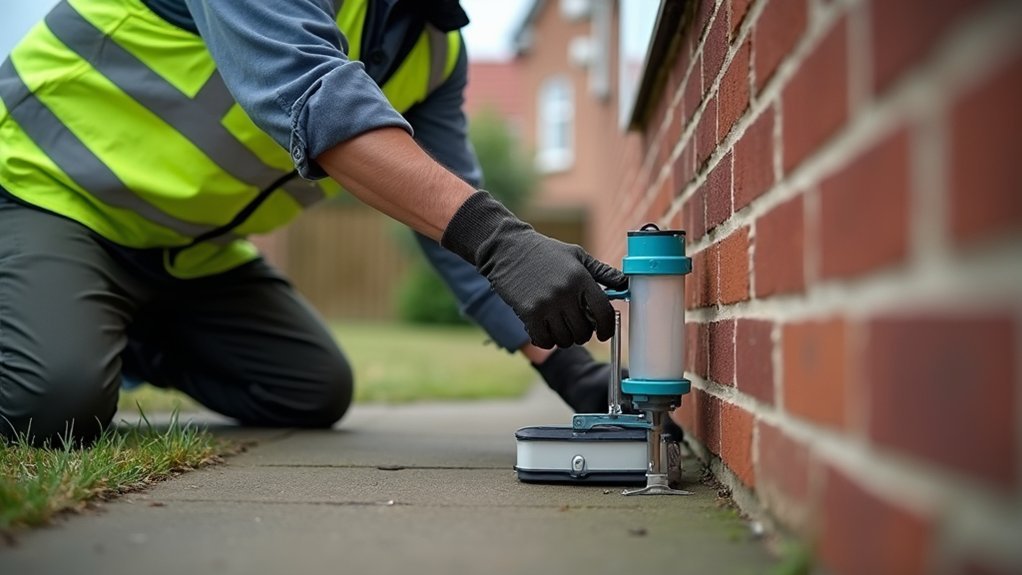
Start by sealing entry points—cracks, gaps, and holes that pests exploit. You should eliminate food sources by maintaining proper storage and sanitation practices. Remove clutter where insects and rodents hide.
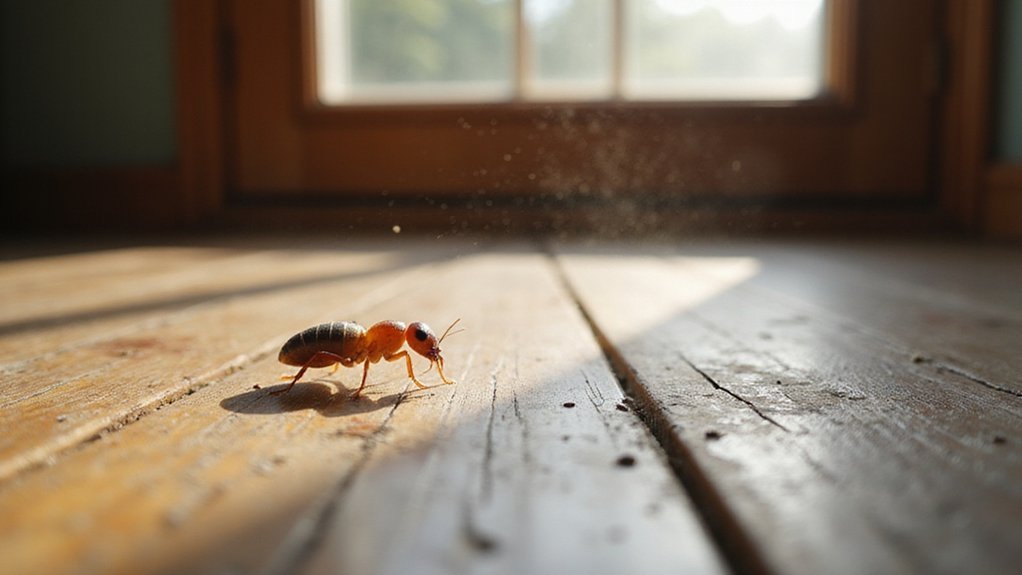
Monitor actively using traps and inspections to catch infestations early. You’ll identify pest species and population levels before they become serious problems.
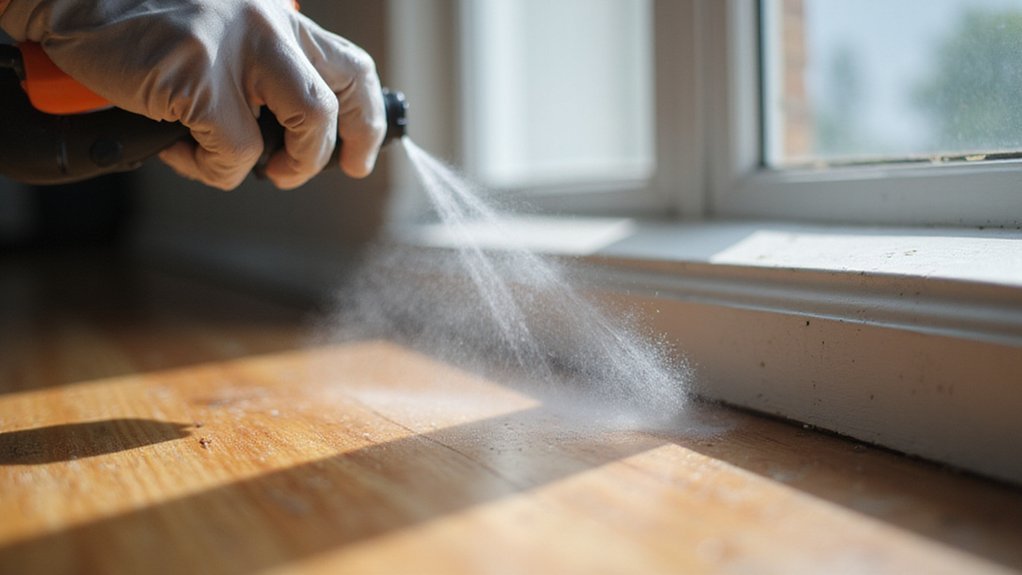
When intervention becomes necessary, you can apply targeted treatments like baits or localized sprays rather than broad applications. You might also introduce beneficial insects or use diatomaceous earth in specific areas.
Partner with professional pest managers who understand IPM principles. They’ll help you develop customized plans that protect your building while minimizing chemical exposure to occupants.
Long-Term Benefits and Cost Savings of IPM
While you might initially invest more in IPM setup than conventional pest control, you’ll recoup those costs through reduced chemical expenses, fewer emergency treatments, and decreased property damage over time. By preventing infestations rather than reacting to them, you’ll spend considerably less on pest control services annually. Your property maintains better structural integrity since pests won’t cause extensive damage requiring costly repairs. You’ll also benefit from improved health outcomes—reduced chemical exposure means fewer medical expenses and lost productivity for your household or business. Insurance premiums may even decrease when you implement thorough pest management practices. Additionally, you’ll gain peace of mind knowing your environment remains protected sustainably, creating a healthier space while protecting your bottom line.
Conclusion
You’ll find that implementing IPM transforms how you manage pests by combining smart monitoring with targeted, least-toxic strategies. You’re not just spraying chemicals anymore—you’re making data-driven decisions that protect your environment while saving money long-term. Whether you’re farming, running a business, or managing your home, you’ll reduce pesticide resistance and environmental damage. You’ve got the tools and knowledge now to adopt IPM and create a sustainable pest management approach that actually works.