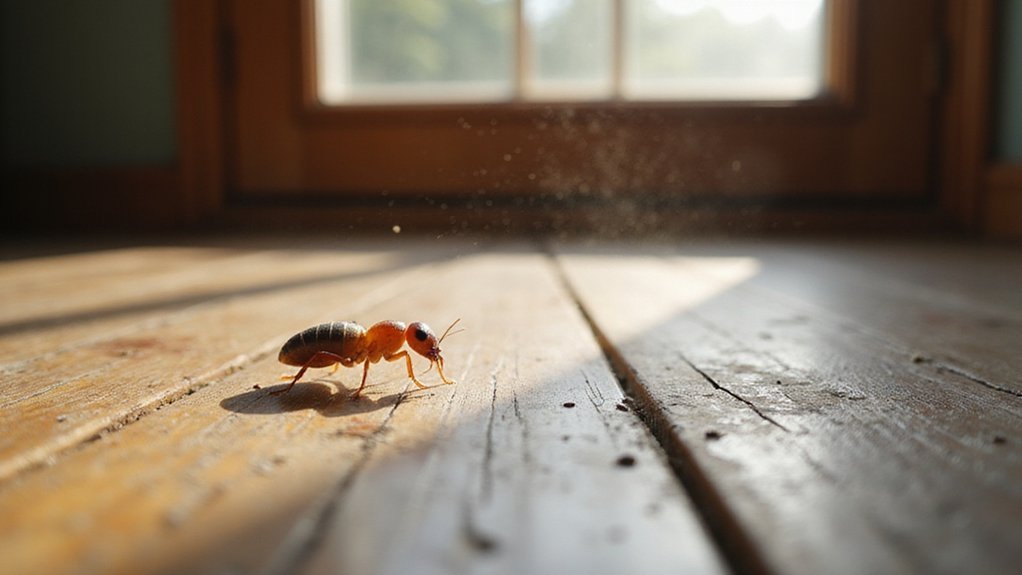
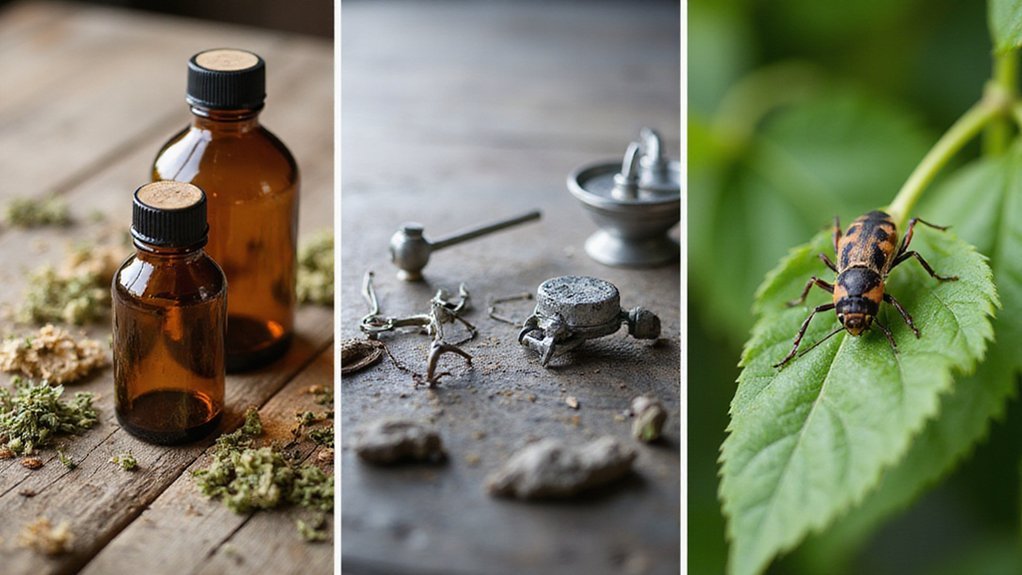
You’ve probably dealt with pests at some point, whether it’s insects in your garden or rodents in your home. You might wonder what your actual options are beyond the obvious chemical sprays. Well, you’re not limited to one approach. There’s more than you think available to tackle your pest problems effectively. Let’s explore what really works.
Chemical Control Methods
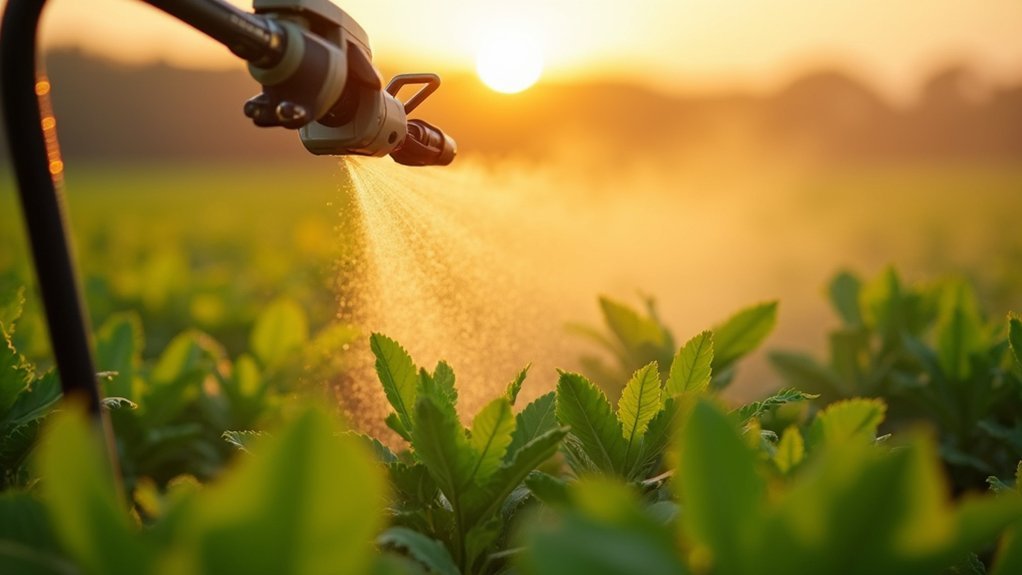
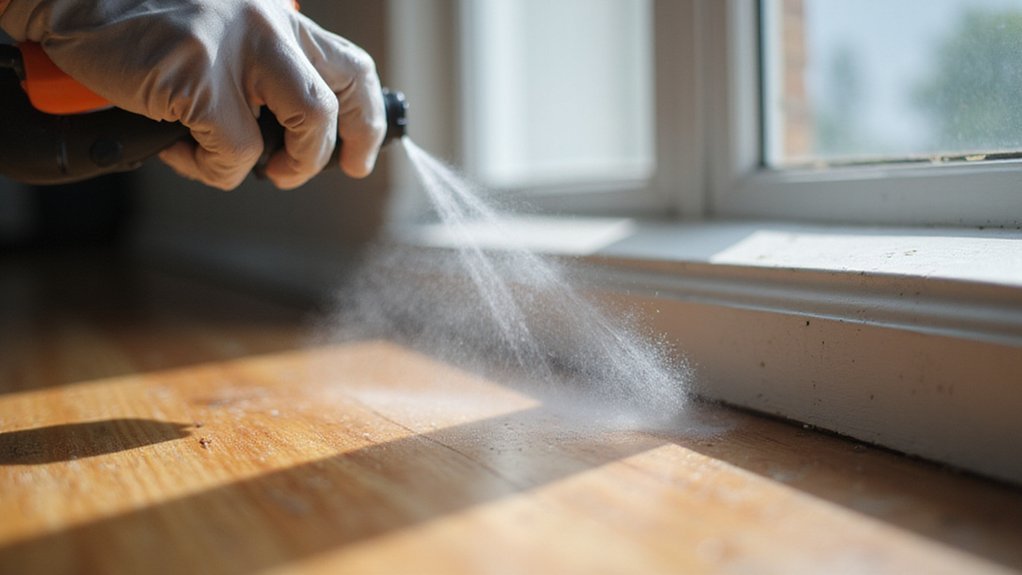
You’ve likely encountered chemical pest control through common household products like insecticides and rodenticides. These substances work by poisoning or disrupting the nervous systems of target pests, killing them quickly and effectively.
You’ll find chemical controls in various forms: sprays, granules, baits, and powders. They’re particularly useful for severe infestations when you need immediate results. The chemicals target specific pests, from insects to rodents, making them versatile solutions for different problems.
However, you should use them carefully. Chemical pesticides can pose risks to children, pets, and beneficial insects if misapplied. Always follow label instructions precisely and consider wearing protective equipment during application. You might also want to ventilate treated areas thoroughly to minimize exposure risks.
Biological Control Methods
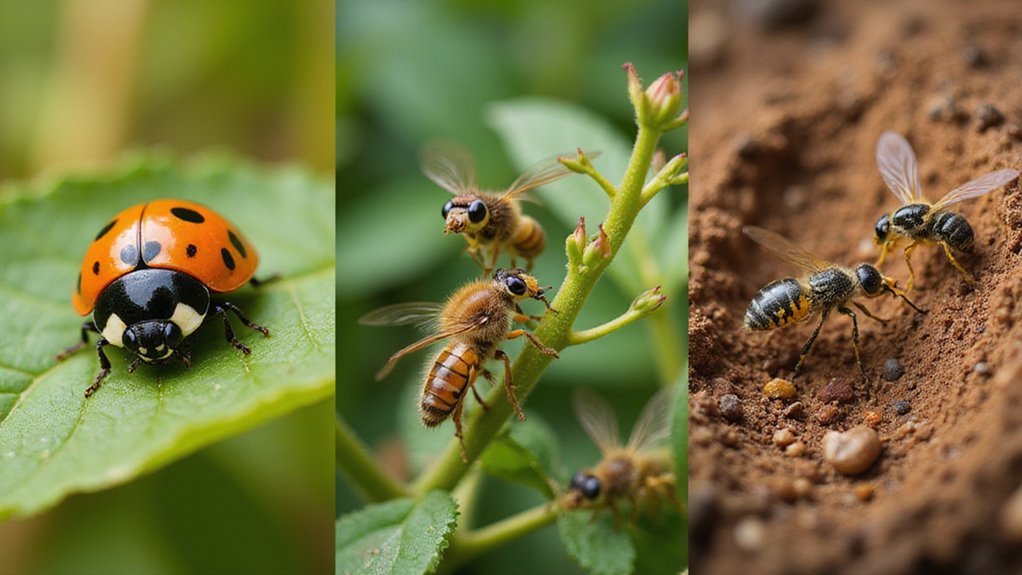
Rather than relying on chemicals, biological control harnesses nature’s own pest management systems by introducing natural predators, parasites, or pathogens that target specific pests. You’ll benefit from this environmentally friendly approach that eliminates harmful insects without synthetic pesticides.
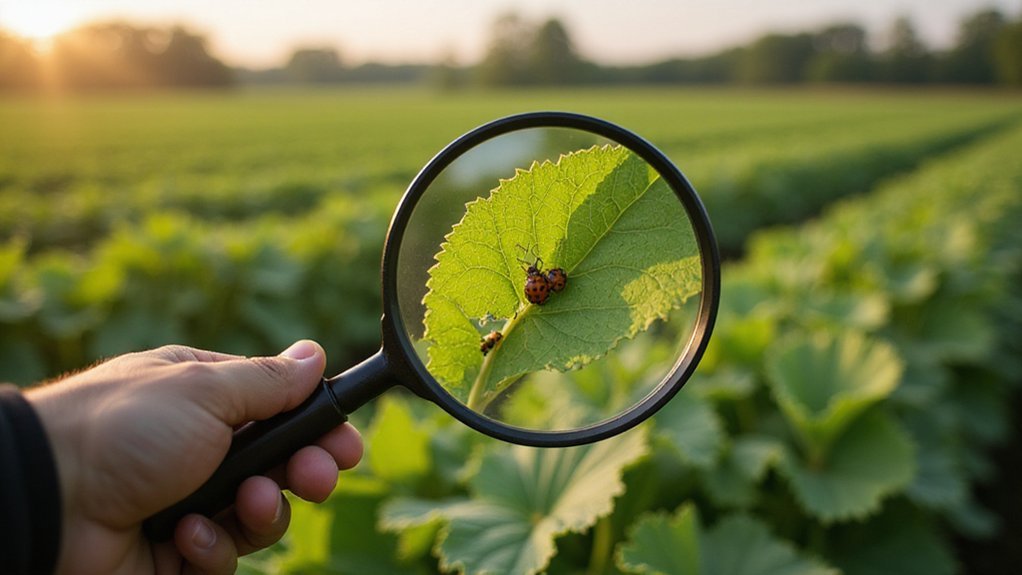
When you implement biological control, you introduce beneficial organisms like ladybugs, parasitic wasps, or nematodes into your garden or farm. These natural enemies feed on or infect the pest population, reducing their numbers effectively. You can also use microbial pesticides containing bacteria like Bacillus thuringiensis, which specifically targets caterpillars and larvae.
This method works best when you understand the pest’s life cycle and its natural predators. You’ll achieve long-term pest suppression with minimal environmental impact, protecting beneficial insects and maintaining ecological balance on your property.
Physical Control Methods
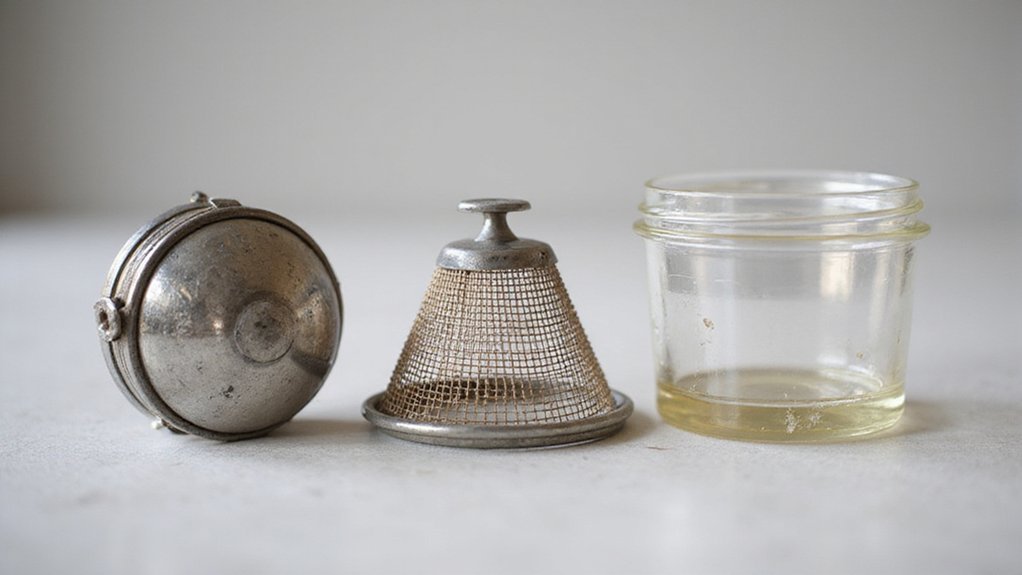
Physical control methods tackle pest problems by physically removing, blocking, or killing pests through direct intervention. You can implement traps, netting, and barriers to prevent pests from accessing your plants or property. Hand-picking insects off plants works well for smaller infestations, allowing you to remove them directly. You might use exclusion techniques like screens and seals to block entry points into your home or garden.
Heat treatments and cold storage also fall under physical control, effectively killing pests at various life stages. Vacuuming up insects provides immediate relief in indoor spaces. Tillage and cultivation disturb soil-dwelling pests, exposing them to predators and environmental conditions.
These methods offer immediate results without chemicals, making them ideal for organic gardening and integrated pest management programs.
Integrated Pest Management Strategy
While physical control methods provide immediate relief, combining them with chemical and biological approaches creates a more extensive pest management system. You’ll benefit from Integrated Pest Management (IPM) because it reduces your reliance on pesticides while maximizing effectiveness.
In IPM, you monitor your pest populations regularly, identifying problems early before infestations escalate. You then implement the least toxic solution first—whether that’s removing food sources, sealing entry points, or introducing natural predators. You only turn to chemical treatments when other methods prove insufficient.
This strategic layering minimizes environmental damage, protects beneficial insects, and cuts your long-term costs. You’ll develop a sustainable approach that adapts to seasonal changes and evolving pest pressures. By combining all three methods strategically, you create an all-encompassing defense that’s both effective and responsible.
Choosing the Right Method for Your Situation
How do you know which pest control method to prioritize for your specific situation? You’ll need to assess several key factors. First, identify your pest type and infestation severity. Chemical methods work quickly for major problems, while biological controls suit prevention and minor issues. Physical methods offer targeted solutions without environmental impact.
Consider your environment next. Are you protecting a garden, home, or commercial space? Each setting demands different approaches. Chemical pesticides may contaminate water sources, making biological or physical methods preferable near sensitive areas.
Budget matters too. Physical methods require upfront effort but cost less long-term. Biological controls need patience but prove economical. Chemical treatments offer quick results but involve recurring expenses.
Combine methods strategically. Integrated Pest Management isn’t choosing one approach—it’s blending them intelligently for sustainable, effective results tailored to your unique circumstances.
Conclusion
You’ll find that combining all three pest control methods works best for your situation. Rather than relying on chemicals alone, you should integrate biological controls, physical barriers, and monitoring strategies to manage infestations effectively. By starting with the least toxic solutions first, you’re protecting your environment while still eliminating pests. You’ll achieve better, more sustainable results when you’re flexible and adaptive in your approach.