You’ve likely wondered whether your homeowners insurance’ll cover that pest problem you’ve just discovered. The short answer? It’s complicated. Standard policies typically won’t pay for pest control services or routine prevention. However, you might have some coverage if pests cause damage tied to a covered peril. Understanding what’s actually protected—and what isn’t—could save you significant money.
What Does Standard Homeowners Insurance Cover?
Standard homeowners insurance typically protects your dwelling structure, personal property, and liability coverage, but it won’t cover everything you’d expect. Your policy covers damage to your home’s framework, roof, and built-in fixtures from covered perils like fire or theft. You’re also protected if someone gets injured on your property and sues you.
However, standard policies don’t cover maintenance issues or preventative measures. They exclude damage from wear and tear, neglect, or poor upkeep. This distinction matters greatly when considering pest control. Your insurer won’t pay for routine pest prevention or treatment because they view it as a maintenance responsibility. You’ll need to handle pest management independently or purchase additional coverage if your provider offers it.
The Difference Between Pest Control and Pest Damage
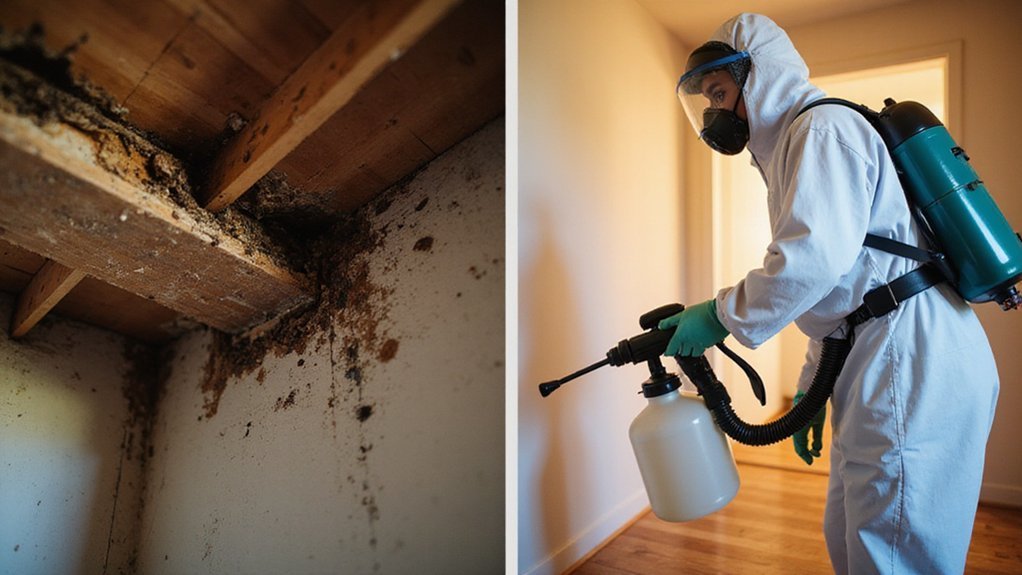
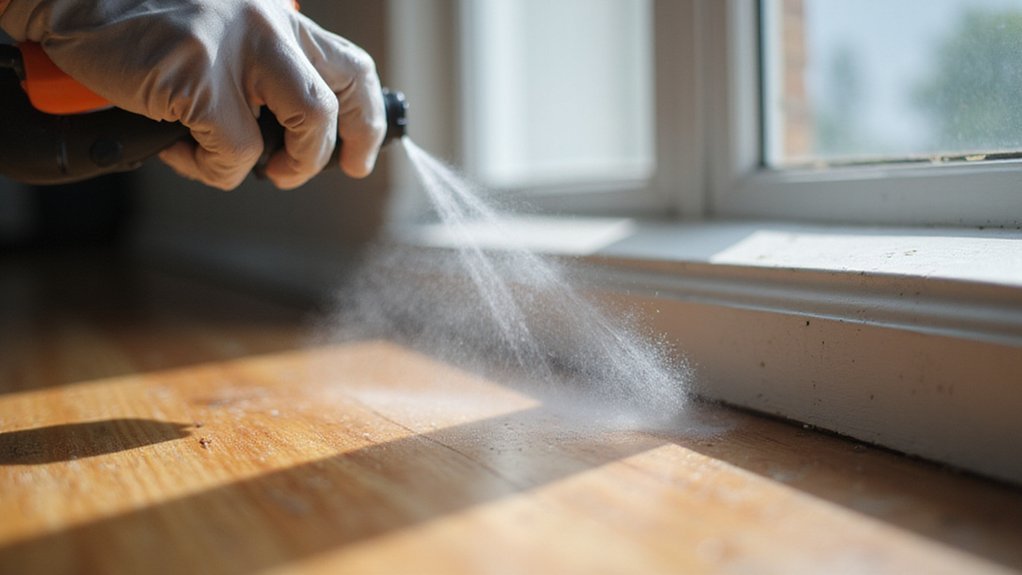
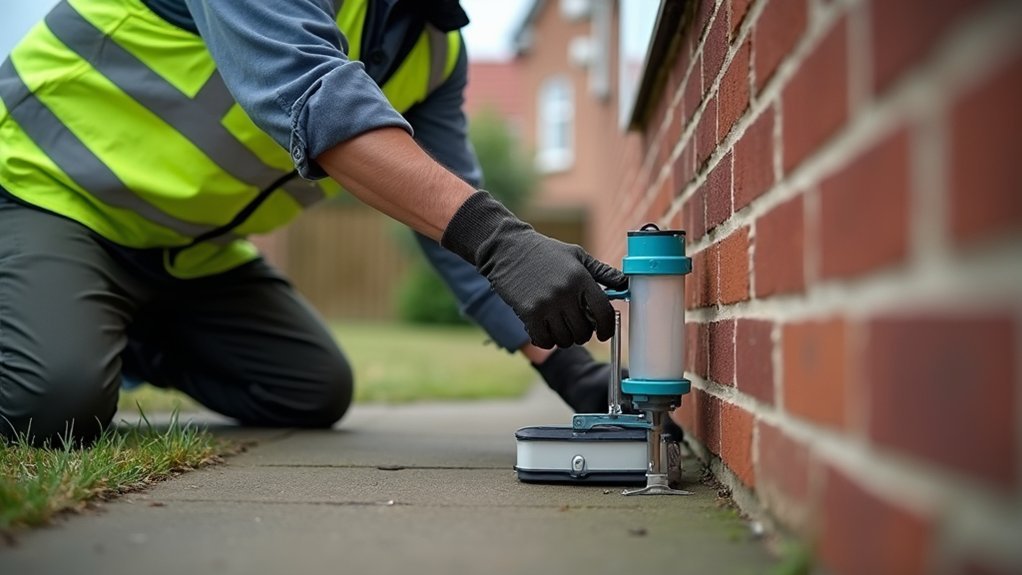
Understanding the distinction between pest control and pest damage is essential for managing your insurance expectations. Pest control refers to preventative treatments and removal services you hire to eliminate infestations before they cause problems. Your homeowners policy won’t cover these costs since they’re maintenance expenses.
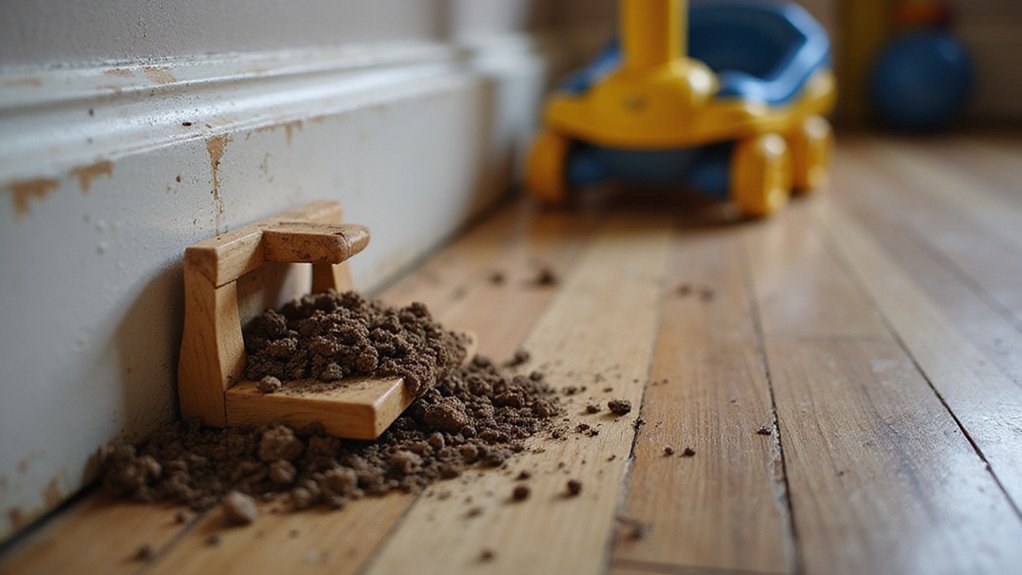
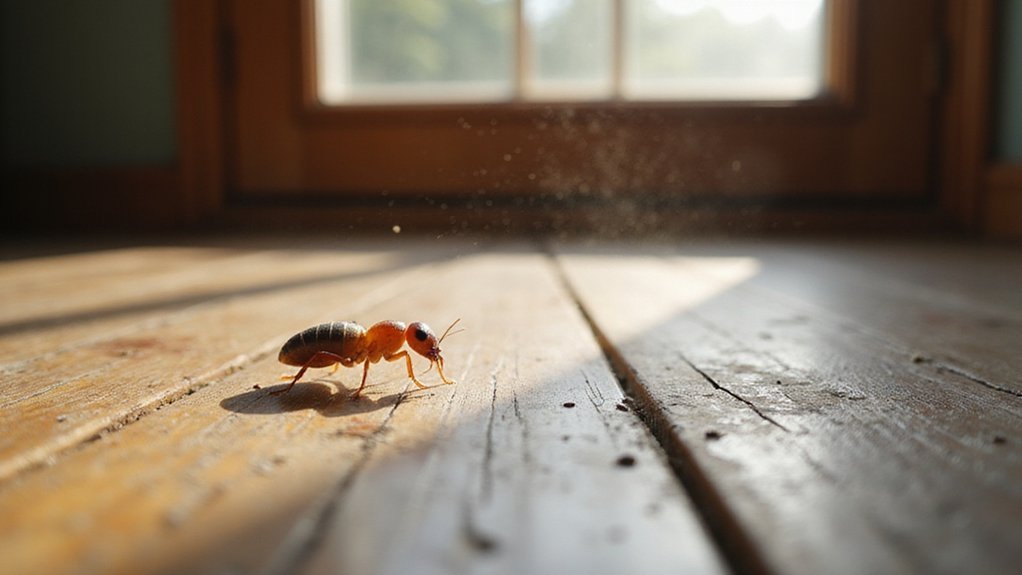
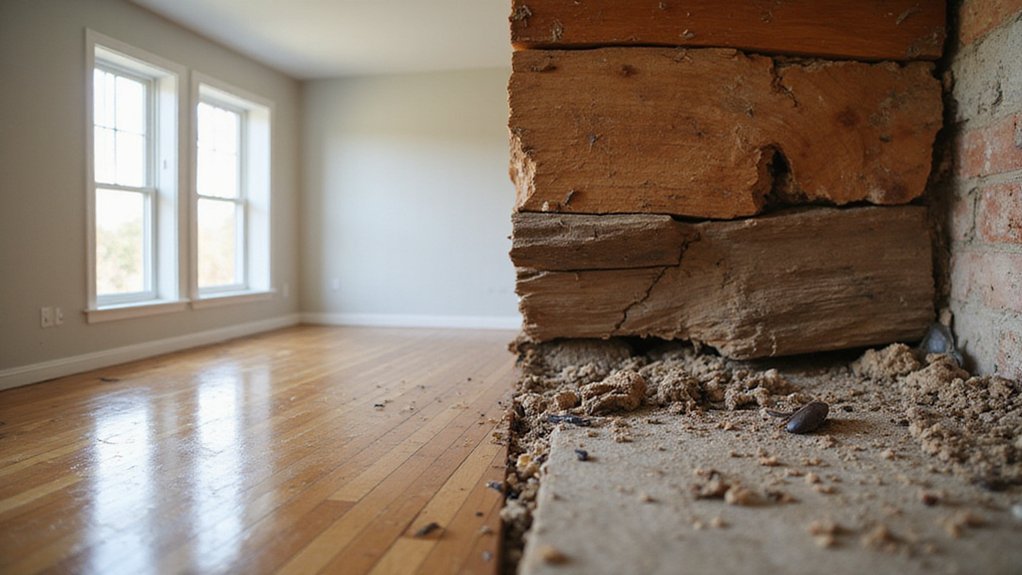
Pest damage, however, describes the structural harm that pests cause to your home—like termites eating wood, rodents chewing wires, or carpenter ants destroying beams. Here’s the catch: most standard policies exclude pest damage entirely, viewing it as a maintenance issue you should’ve prevented.
The key difference is actionable prevention versus consequence. You’re responsible for controlling pests proactively. Once they’ve damaged your property, your insurance typically won’t help either. This is why catching infestations early and maintaining pest-free conditions matters greatly for your wallet.
When Pest Damage May Be Covered by Insurance
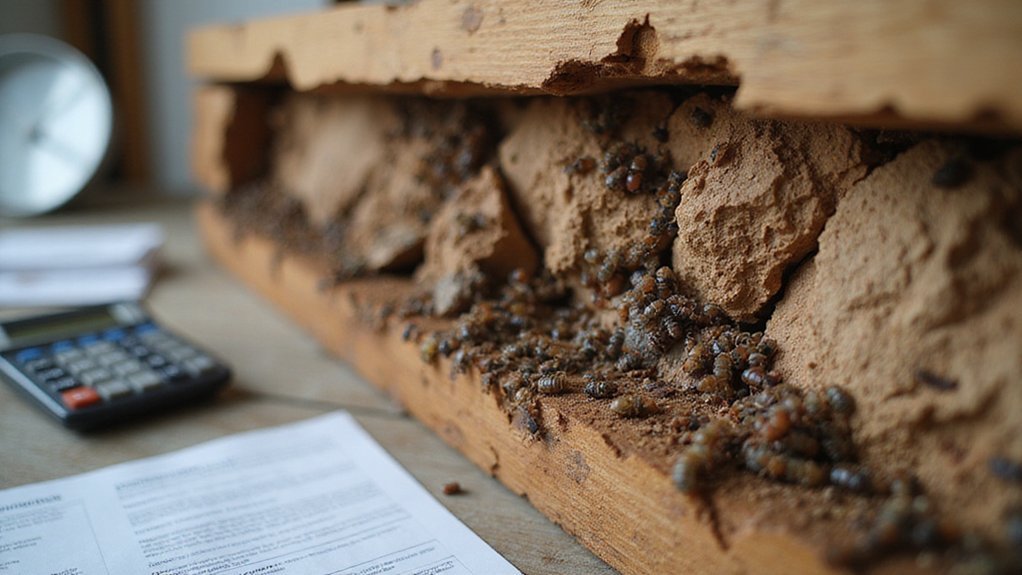
While most homeowners policies exclude pest damage, a few scenarios exist where you might find coverage. If you can demonstrate that a covered peril caused the pest infestation, you’ll have a stronger claim. For example, if a storm damages your roof and water infiltration attracts termites, your policy might cover the resulting damage since the initial peril was covered.
You should also review your policy for specific endorsements or riders that address pest-related issues. Some insurers offer optional coverage for certain pests like bed bugs or rodents. Additionally, if structural damage from pests coincides with a covered event—such as fire spreading through weakened wood—your insurer may provide partial coverage. Always contact your agent to clarify your policy’s specific terms regarding pest-related scenarios.
Common Pests and Coverage Scenarios
Different pests present different coverage challenges, and knowing which scenarios your policy addresses can save you thousands in unexpected expenses. Termites, for example, typically aren’t covered since insurers view them as a maintenance issue rather than sudden damage. However, if a covered peril like fire damages your home and subsequently attracts pests, you’d likely have coverage. Rodent damage falls into a gray area—your policy won’t cover pest removal, but it might cover structural damage they’ve caused. Water damage from burst pipes is covered, even if pests contributed to the problem. Bed bugs and cockroaches require professional extermination, which your homeowners policy won’t pay for. Review your specific policy language to understand which pest-related scenarios your coverage actually addresses before damage occurs.
How Neglect and Maintenance Affect Your Claim
Insurance companies deny pest-related claims when they can prove you’ve neglected your home’s maintenance, so staying proactive about upkeep directly impacts your coverage eligibility. If you’ve ignored obvious entry points—cracked foundations, damaged roof shingles, or gaps around pipes—insurers won’t cover resulting infestations. They’ll argue you failed to prevent pest access through reasonable care.
Your claim stands stronger when you document regular maintenance activities. Seal cracks promptly, maintain gutters, trim vegetation away from your foundation, and store food properly. Keep records of these efforts; they demonstrate you’re taking responsibility.
However, even well-maintained homes sometimes experience pest problems from circumstances beyond your control. Insurance companies recognize this distinction. They’ll typically cover sudden, unexpected infestations if you’ve maintained your property reasonably well.
Additional Coverage Options for Pest-Related Issues
Beyond standard homeowners insurance, you’ve got options that’ll strengthen your protection against pest-related expenses. Consider purchasing a separate pest control endorsement or rider to your existing policy, which covers treatment costs and damage prevention. Some insurers offer extensive coverage that includes termites, rodents, and insects—typically excluded from basic policies.
You might also explore dedicated pest insurance plans from specialized providers. These policies cover preventative treatments, inspections, and emergency extermination services. Additionally, bundling your homeowners and pest control policies with the same insurer often yields discounts.
Review your current coverage limits carefully. If you live in a termite-prone region, investing in targeted termite insurance protects against potentially devastating structural damage. Compare quotes from multiple insurers to find coverage matching your specific pest risks and budget requirements.
Steps to Take When You Discover a Pest Problem
When you spot signs of a pest infestation, your first move should be documenting the problem with photos and notes about what you’ve seen. Take pictures of droppings, damage, or the pests themselves from multiple angles. Next, review your home insurance policy to understand your coverage limits and exclusions. Contact your insurance agent to report the issue and ask whether you’re eligible for reimbursement. Simultaneously, call a licensed pest control professional to assess the severity and recommend treatment options. Get a detailed estimate before proceeding. Keep all receipts and invoices for your insurance claim. Follow the pest control expert’s advice regarding prevention and maintenance to avoid future infestations and potential claim denials.
Documenting Pest Damage for Insurance Claims
After you’ve reported the infestation to your agent and hired a pest control professional, building a strong documentation record becomes your next priority. Photograph all visible damage, including droppings, structural harm, and affected areas. Keep receipts for pest control services, treatments, and any repairs. Document the infestation timeline with dates when you first noticed signs and when professionals treated it. Maintain detailed records of communication with your insurance company, including claim numbers and agent names. Collect written reports from your pest control company outlining the infestation severity and recommended solutions. Save before-and-after photos showing the extent of damage and restoration work. This detailed documentation strengthens your claim and helps justify coverage requests to your insurer.
Questions to Ask Your Insurance Agent About Pest Coverage
To clarify your policy’s pest-related coverage, you’ll want to bring up several key questions during your next conversation with your insurance agent. Ask whether your homeowners policy covers pest damage or only pest removal services. Inquire about specific exclusions—many policies won’t cover termites, rodents, or bed bugs. Request clarification on what “sudden and accidental” pest damage means in your contract. Ask if you need separate pest control insurance riders for thorough protection. Find out whether your agent recommends preventative treatments as a condition of coverage. Discuss deductibles and coverage limits for pest-related claims. Finally, ask if your policy covers structural repairs from pest damage or just removal costs. Taking these steps guarantees you understand exactly what protection you have.
Conclusion
You’ll want to review your policy carefully since standard homeowners insurance doesn’t typically cover pest control or pest damage. You’re responsible for maintenance and prevention costs. However, you can explore additional endorsements or separate pest insurance policies to fill those gaps. Contact your insurance agent today to discuss your specific coverage needs and protect yourself against unexpected pest-related expenses.