You’ve probably seen ultrasonic pest repellers advertised as a quick fix for rodents and insects. They’re marketed as humane, chemical-free solutions that promise to protect your home. But here’s the thing: do they actually work? The answer might surprise you. While these devices sound appealing in theory, the evidence tells a different story entirely.
What Are Ultrasonic Pest Repellers?
If you’re looking for a pest control solution that doesn’t involve traps or chemicals, ultrasonic pest repellers might seem like an appealing option. These electronic devices emit high-frequency sound waves that humans can’t hear but pests supposedly find intolerable. You simply plug them into an outlet, and they begin transmitting ultrasonic frequencies designed to deter rodents, insects, and other unwanted visitors.
Ultrasonic Pest Repellents work by creating an uncomfortable acoustic environment that encourages pests to leave your home. Manufacturers claim these ultrasonic pest control devices offer a humane, effortless alternative to traditional pest control methods. The sound frequencies they produce are said to disrupt pests’ nervous systems, making your space uninhabitable for them. Unlike chemical solutions, these devices promise pest control without toxins or complicated setup procedures.
How Do Ultrasonic Repellers Claim to Work?
How exactly do these devices supposedly drive pests away? Ultrasonic pest repellers emit high-frequency sound waves that exist beyond human hearing range. Manufacturers claim that ultrasonic sound waves disrupt pests’ essential behaviors—feeding, nesting, and communication—making your space inhospitable to them.
Here’s what pest repellers make so appealing: they operate silently from your perspective while theoretically creating an uncomfortable environment for unwanted visitors. The theory suggests that ultrasonic repellers work by triggering avoidance responses in rodents, insects, and other pests, prompting them to abandon the area rather than establish a pest infestation.
Unlike traditional methods, these devices work without traps, poisons, or mess. You simply plug them in and let the ultrasonic sound to deter pests do the work. This hands-off approach attracts homeowners seeking humane pest control solutions.
Also Read: How Much Do the Council Charge for Pest Control?
The Appeal: Why Consumers Choose These Devices
While the mechanics of ultrasonic repellers sound promising, what really drives consumer interest is their undeniable convenience. You’re attracted to devices that require nothing more than plugging into an outlet—no traps, no chemicals, no mess. The “set it and forget it” approach appeals to your desire for effortless pest management without the hassle of traditional methods.
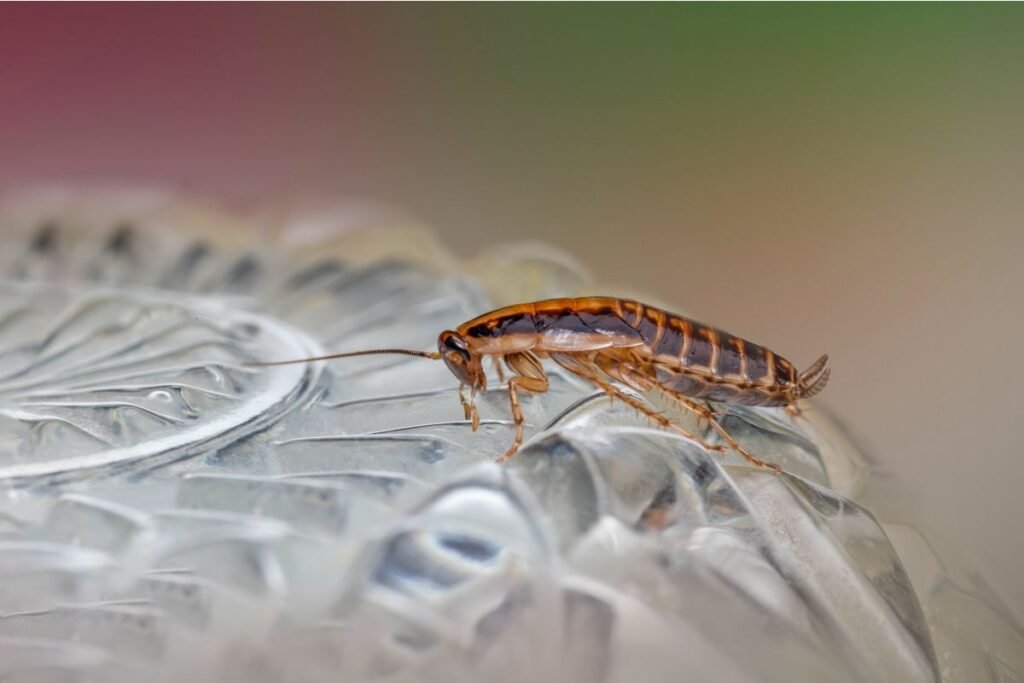
You’re also drawn to manufacturers’ bold claims about eliminating stubborn household pests like cockroaches. The promise that ultrasonic sound can work against even the most difficult pest problems makes these devices seem like miracle solutions.
Beyond effectiveness of ultrasonic repellers themselves, you value the silent operation and chemical-free nature of pest control. These factors combine to make ultrasonic repellers an attractive DIY solution that fits seamlessly into your home without disrupting your daily life.
What Does the Science Say About Effectiveness?
Unfortunately, the scientific evidence doesn’t support manufacturers’ promises. Multiple rigorous studies have consistently demonstrated that ultrasonic devices fail to effectively control pests in real-world conditions. While they’re designed to deter rodents, insects, and other unwanted visitors, the high-frequency sound waves they emit simply don’t work as advertised.
The problem lies in several factors. Consumer-grade ultrasonic devices lack sufficient intensity and frequency coverage to create an environment that pests find truly inhospitable. Additionally, pests quickly adapt to the noise, rendering the technology ineffective over time. Manufacturers frequently make claims unsupported by controlled research, relying on anecdotal evidence rather than scientific rigor.
If you’re facing a pest problem, ultrasonic devices alone won’t solve it. You’ll need thorough pest control strategies backed by proven effectiveness.
Key Limitations and Why Pests Adapt
Because ultrasonic sound waves can’t penetrate walls or travel around furniture, they’re far less effective in cluttered, real-world homes than manufacturers suggest. You’ll find that devices which emit high-frequency noise outside the range of human hearing face significant obstacles in practical applications.
Here’s the critical problem: pests quickly develop habituation to constant ultrasonic sound. A rodent or cockroach exposed to the same frequency repeatedly learns to ignore it, rendering your device useless. Additionally, no single frequency effectively repels all pest types—what makes cockroaches uncomfortable won’t necessarily deter ants or spiders.
Ultrasonic repellers also fail to disrupt breeding or nesting behaviors, so you’re not addressing infestations at their source. These limitations mean you shouldn’t rely solely on ultrasonic devices for pest control.
Safety Considerations for Household Pets
Before you install an ultrasonic pest repeller in your home, you’ll want to ponder how it might affect your pets. While using high-frequency sound inaudible to people, these devices generally won’t harm cats and dogs since the frequencies exceed their hearing range. However, pets with more sensitive hearing—like guinea pigs and other rodent pets—may experience distress from the noise.
The effect on cockroaches remains unproven, yet the potential impact on your animals demands consideration. Limited research exists on long-term exposure effects, making caution essential. You should consult your veterinarian before installation, especially if you own small animals. Despite marketing claims about pet-friendliness, your responsibility is ensuring your household companions remain safe and comfortable.
Ultrasonic Devices vs. Proven Pest Control Methods
When you’re deciding how to handle a pest problem, you’ll find that traditional methods—traps, baits, and insecticides—directly eliminate pests, while ultrasonic devices merely attempt to deter them. The Federal Trade Commission and Kansas State University have found no scientific evidence supporting ultrasonic sound with electromagnetic or audible sound effectiveness against infestations.
Professional pest control adapts strategies to your specific situation, whereas ultrasonic devices offer one-size-fits-all solutions. Traditional approaches provide ongoing monitoring and adjustment capabilities that ultrasonic devices cannot match. Relying solely on these devices creates false security, potentially neglecting proven measures. Despite their ease of use, ultrasonic repellers lack documented results. You benefit more from evidence-based pest control methods that deliver measurable outcomes rather than unproven technology that may leave your infestation unresolved.
Common Misconceptions About Ultrasonic Repellents
Many people mistakenly believe that ultrasonic pest repellers offer a simple, hands-off solution to infestations, but research consistently shows these devices have little to no effect on common household pests like cockroaches, ants, and rodents. Tests have shown that ultrasonic frequencies don’t prevent infestations or address breeding behaviors. Repellers claim to work universally, yet different insects respond to varying frequencies unpredictably. You might assume electronic devices eliminate pests passively, but they won’t stop insects like cockroaches from nesting in your home. Many people overlook that ultrasonic waves get blocked by furniture, limiting their range substantially. This false confidence in these gadgets delays getting rid of actual infestations. You’ll find that the need for traps, baits, and professional pest control remains essential for effective elimination.
When to Call a Professional Pest Control Service
If you’ve tried ultrasonic repellers and other DIY methods without success, it’s time to contact a professional pest control service. When you’re dealing with an infestation of mice or certain pests that traditional methods can’t eliminate, professionals offer specialized treatments unavailable to consumers.
Experts identify specific pest species, locate entry points, and determine underlying causes of your pest problems. This tailored approach verifies thorough solutions for rodent control and other infestations. Rather than continuing ineffective DIY efforts, professional intervention prevents your situation from worsening and becoming costlier.
Most pest control companies provide warranties or guarantees, giving you recourse if initial treatments fail. By calling a professional, you invest in lasting results and peace of mind, securing your home remains pest-free.
Conclusion
You’re better off skipping ultrasonic pest repellers altogether. They don’t deliver the results manufacturers promise, and pests quickly become immune to the noise anyway. If you’re dealing with a real infestation, you’ll need proven methods like traps, baits, or professional pest control services. Save your money and invest in solutions that actually work to protect your home.