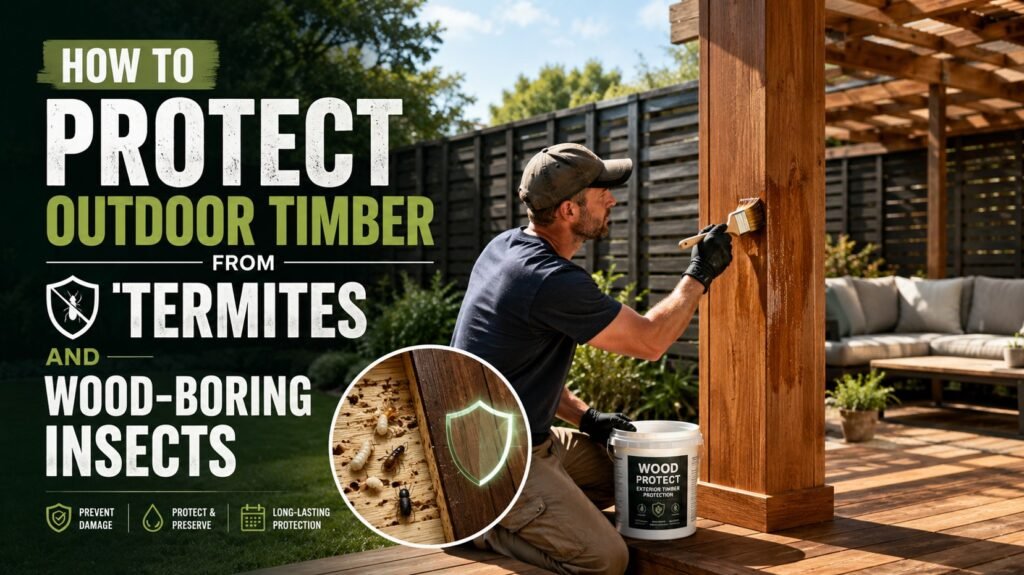
Nothing devastates a garden timber investment quite like discovering a flourishing termite colony or noticing the telltale exit holes of wood-boring beetles. I’ve watched beautiful pergolas, decking, and raised beds decline from robust structures into compromised, weakened versions of themselves, sometimes within just a few years of installation. The heartbreak is compounded by the fact that this damage is entirely preventable. With the right knowledge and a proactive approach, you can protect your outdoor timber for decades.
Termites and wood-boring insects pose a serious threat to any timber structure left to the elements. These aren’t cosmetic problems; they’re structural ones that can compromise safety and cost thousands to repair. The good news is that protection strategies range from simple preventative measures you can implement immediately to long-term maintenance practices that keep timber healthy and pest-free.
Understanding Your Adversaries: Termites and Wood-Boring Insects
Before you can protect your timber, you need to understand what you’re protecting it from.
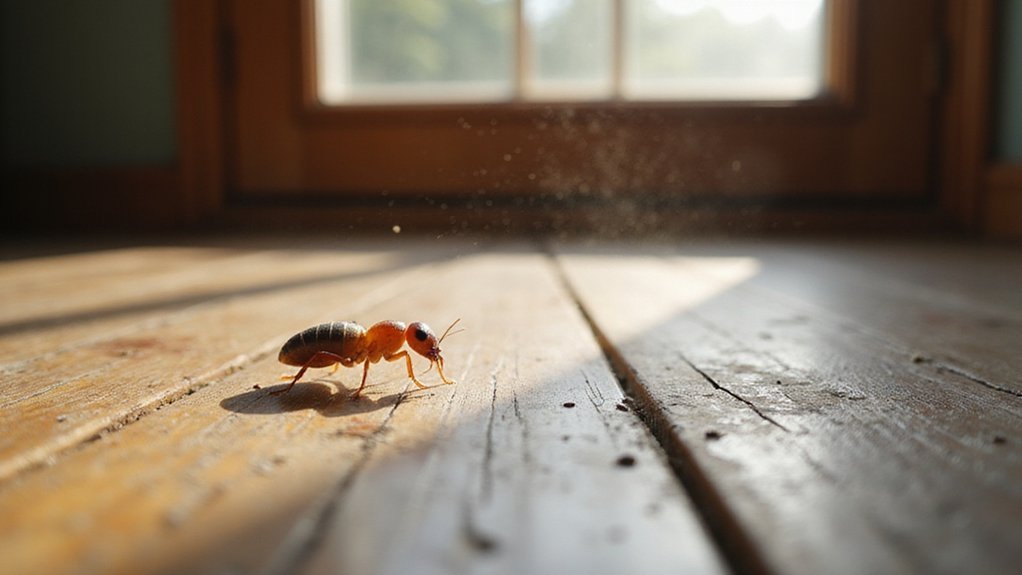
Termites come in several varieties, but the ones most damaging to gardens are subterranean termites, which live in the soil and tunnel into wood from below. They leave little visible evidence initially, hollowing out wood from the inside while the surface remains seemingly intact. By the time you notice damage, colonies are often well-established and extensive.
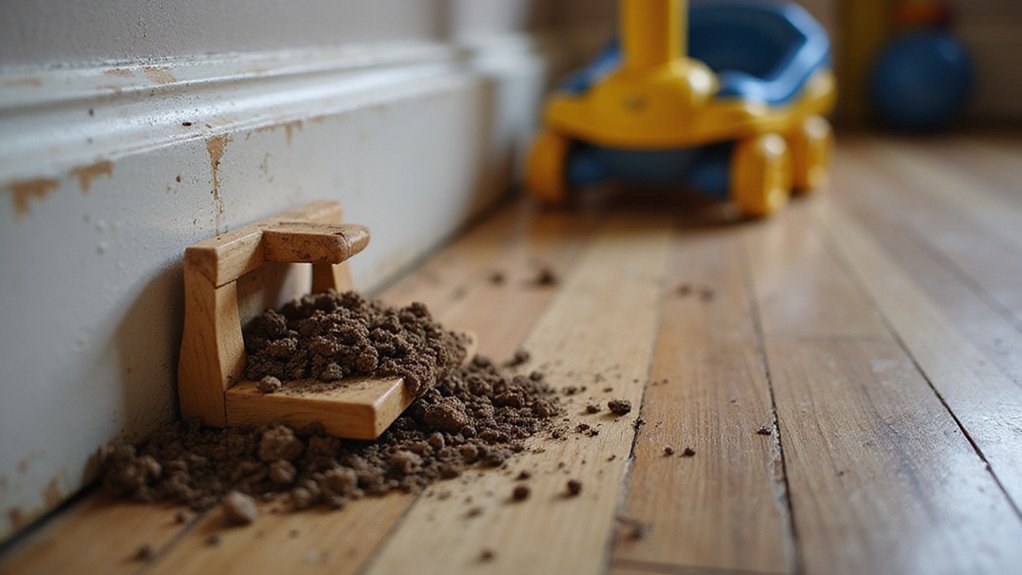
Wood-boring insects include several species. Long-horned beetles lay eggs in timber, and the resulting larvae tunnel through the wood as they develop, creating networks of galleries. Powder post beetles target hardwoods and leave fine, flour-like sawdust as they exit. Carpenter ants, despite their name, don’t eat wood but hollow it out to create nesting galleries, weakening structure.
The challenge with all of these pests is that they work silently and often invisibly until significant damage has occurred. This makes prevention infinitely preferable to cure.
Inspect and Assess Your Timber Before Installation
The first line of defense begins before timber ever touches your garden. When sourcing timber for outdoor structures, inspect it carefully for signs of existing damage or infestation.
Look for small holes, sawdust, or discoloration that might indicate previous pest activity. Ask your supplier whether the timber has been treated and what method was used. Some timber comes pre-treated from mills; some is sold untreated and relies on you to apply protection.
Understanding your timber’s origin and history gives you crucial information. Timber harvested from infested forests carries higher risk than sustainably sourced material from reputable suppliers. When possible, purchase timber that’s already been treated with proven pest-deterrent methods rather than attempting DIY treatment on raw wood.
If you’re planning a substantial timber structure, such as a pergola or pavilion, consider learning from architectural precedent. Premium garden structures like those designed for a Heavy timber Pavilion USA or Heavy timber Pavilion Canada are typically constructed with preseasoned, treated timber specifically selected and prepared to resist pest damage. These projects invest in quality materials upfront precisely because timber protection over decades is far less expensive than replacing compromised structures.
Choose Naturally Resistant Wood Species
Some timber species have natural compounds that resist insect damage. These woods are significantly more expensive than softwoods like pine, but if you’re building something permanent, the investment pays dividends.
Hardwoods like teak, cedar, and redwood contain natural oils and resins that make them less palatable to termites and boring insects. Teak is extraordinarily durable and can last 25 years or more outdoors without treatment. Cedar and redwood offer good resistance along with attractive aesthetics, though they’re costlier than softwood alternatives.
If budget restricts you to softwoods like pine or spruce, you’ll need to rely entirely on chemical protection methods discussed below. This isn’t necessarily a limitation; chemically treated softwood can be just as durable as untreated hardwood when protection is properly maintained.
Composite materials, made from wood fibers bound with plastic, offer insect resistance as a built-in advantage. They won’t rot or attract termites because the wood component is bound in polymer resin. For applications like raised beds or decking where aesthetics can tolerate a non-natural appearance, composites eliminate pest concerns entirely.
Apply Protective Treatments
Chemical treatments are among the most effective tools for protecting outdoor timber. Understanding the main approaches helps you choose what’s right for your situation.
Pressure-treated timber is infused with preservatives that penetrate deep into the wood structure, creating an inhospitable environment for pests. Modern pressure-treated timber typically uses copper-based compounds that are significantly less toxic than older arsenic-based treatments. The treatment is permanent and doesn’t wear away like surface applications.
When you purchase pressure-treated timber, check the retention level. Higher retention levels indicate deeper penetration and longer-lasting protection. For ground-contact applications like raised beds, choose timber with higher retention ratings than for above-ground structures.
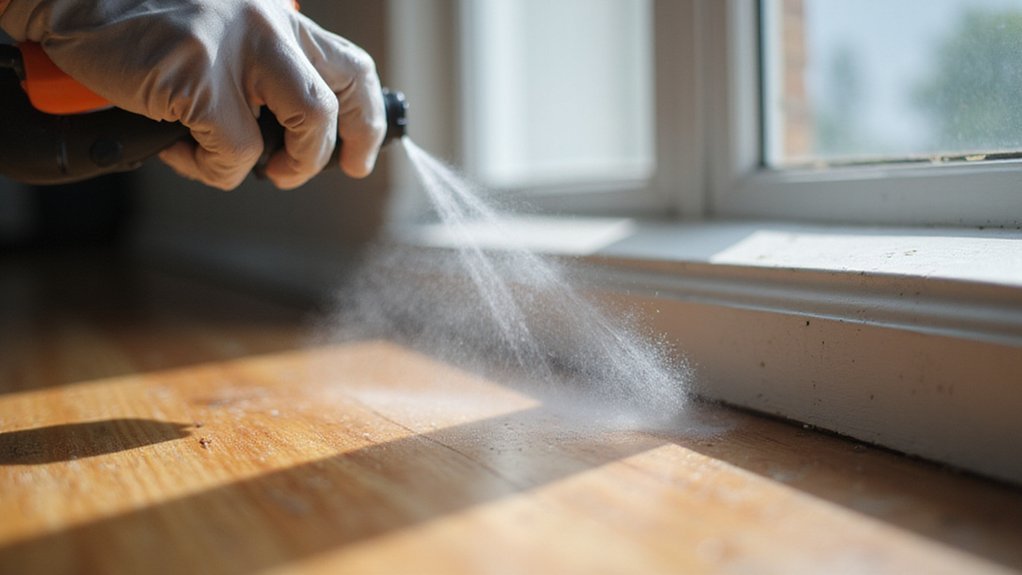
Surface treatments and sealers applied after installation offer an additional protective layer. Boron-based treatments are particularly effective against wood-boring insects and some termite species. These penetrate several inches into exposed wood and can be reapplied periodically as they weather away.
Waterproofing sealers serve dual purposes. They repel moisture, which many pests need for survival, and often contain fungicidal and insecticidal compounds. A quality sealer applied every two to three years maintains chemical protection while also preventing the wood rot and decay that creates conditions pests find appealing.
Natural oil treatments like neem oil and linseed oil have some insecticidal properties, though they’re far less effective than chemical preservatives. They work best as part of a multi-layered approach rather than as primary protection. These appeal to gardeners seeking more natural solutions, though they require more frequent reapplication.
Eliminate Termite Access Routes
Termites need contact with soil to survive, which means they travel through it to reach timber. Breaking that connection is crucial.
For raised beds and structures sitting on ground, install a physical barrier between timber and soil. A concrete foundation prevents direct contact and blocks the termite highway. If concrete isn’t practical, create a gravel barrier at least 6 inches deep around the structure’s base. Termites are reluctant to cross exposed gravel, preferring to stay in dark, moist soil.
Ensure timber never touches soil directly. Even pressure-treated timber benefits from this separation, as the soil can harbor moisture that accelerates decay even if pests aren’t a concern. A simple solution is setting timber on concrete piers or blocks, elevating it slightly above grade.
For pergolas and vertical structures, ensure posts rest on concrete footings rather than being set directly into soil. Check these posts periodically to ensure soil hasn’t accumulated around them over time, reestablishing a termite access route.
Mulch creates a damp, protected environment that termites love. Keep mulch 12 inches away from any timber structures. This open zone makes it difficult for termites to approach undetected and prevents the moisture-rich environment they require.
Create an Inhospitable Environment
Beyond direct timber protection, managing the broader garden environment makes pest establishment less likely.
Remove wood debris, fallen branches, and old stumps from around timber structures. These alternate food sources can support pest colonies that eventually spread to your valued garden timber. Decaying wood anywhere in your garden is a potential termite headquarters.
Manage moisture carefully. Termites and wood-boring insects are drawn to damp wood. Ensure water drains away from structures; don’t allow gutters to overflow near timber elements. Repair leaks and damaged sealers promptly. A pergola roof that sheds water properly stays drier and less attractive to pests than one where water pools or runs down posts.
Improve air circulation around timber structures. Well-ventilated timber dries quickly after rain, making it inhospitable to the moisture-dependent pests. Avoid planting dense ground covers directly against timber structures; allow air to flow freely.
Monitor and Maintain Regularly
Even the best protected timber requires periodic inspection to catch problems early.
Establish a routine of checking timber structures every six months, more frequently if you live in a warm, humid climate where pest activity peaks. Look for the signs mentioned earlier: small holes, sawdust, discoloration, or soft spots when you press with a knife.
Pay particular attention to ground-contact areas, the joints where multiple pieces of timber meet (moisture collects here), and any areas where water regularly drips or pools.
Maintain protective sealers and treatments on schedule. Don’t wait until they’ve completely worn away. Resealing or retreating on a regular cycle, even when the previous application looks intact, keeps chemical protection continuously active.
If you do discover pest damage, act immediately. Small infestations caught early can often be treated with localized application of borate treatments or other insecticides. Significant damage may require replacing compromised sections or consulting a pest management professional.
Consider Professional Pest Management
For high-value structures or if you discover an established infestation, professional pest management services offer expertise and access to treatments beyond DIY capabilities.
Pest control professionals can identify exactly which insects are present, assess the extent of damage, and recommend targeted solutions. For termites, professional baiting systems and chemical barriers are often more effective than homeowner-applied treatments.
Many professionals offer inspection and monitoring contracts, visiting periodically to check for activity before damage occurs. For someone with substantial timber investments or in a region with active pest populations, this proactive approach provides peace of mind.
Conclusion
Protecting outdoor timber from termites and wood-boring insects isn’t complicated, but it does require intentionality. Start with quality timber, ideally naturally resistant species or pressure-treated softwood. Apply protective treatments and maintain them. Eliminate direct soil contact and manage moisture. Keep your garden clean and well-ventilated. Monitor regularly for early signs of trouble.
These practices, implemented from the moment timber installation begins, create conditions where pests simply aren’t welcome. Your garden structures will remain sound and beautiful for decades, providing years of enjoyment without the heartbreak of pest-driven decline. The time and cost invested in prevention now are trivial compared to the damage and expense you’ll avoid later.